Drone attack in Galați prompts defense review by Romania
A recent drone attack in Galați has raised concerns about Romania's defense capabilities. The Ministry of Defense explained the inability to intercept the drone without risking civilian safety. NATO is now evaluating measures to enhance sensor and weapon systems in the region.


The Romanian Ministry of Defense issued an explanation on Friday following a drone attack in Galați, emphasizing the risk to civilians had they attempted to shoot down the drone. Military personnel reported that the drone surveyed Romanian airspace for four minutes before hitting a building in the city. Robert Vîrban, author of the initial report, noted that the incident involved a drone crashing into a building, with a photo of the event provided by the Presidential Administration.
The Ministry clarified that available defense measures could not be deployed without endangering the local population. Sandu Valentin Mateiu, a reserve commander of the Romanian Army, criticized the military's response in an interview with "Adevărul." He stated that the Army failed to ensure public safety and was incapable of intercepting the drone.
Mateiu highlighted that this was one of 45-46 similar incidents where the military response was inadequate. Mateiu identified two major shortcomings in the defense response. The first concerned the ground-based anti-aircraft defense, specifically mentioning the Gepard system.
The Gepard is a short-range anti-aircraft system designed for low-altitude threats and is part of the Romanian Army's inventory. Despite the 4-minute timeframe being acknowledged as a constraint, Mateiu argued that the Romanian pilots, using F-16 aircraft, could engage such targets if scrambled promptly. However, these F-16s are the oldest variant, potentially limiting their effectiveness.
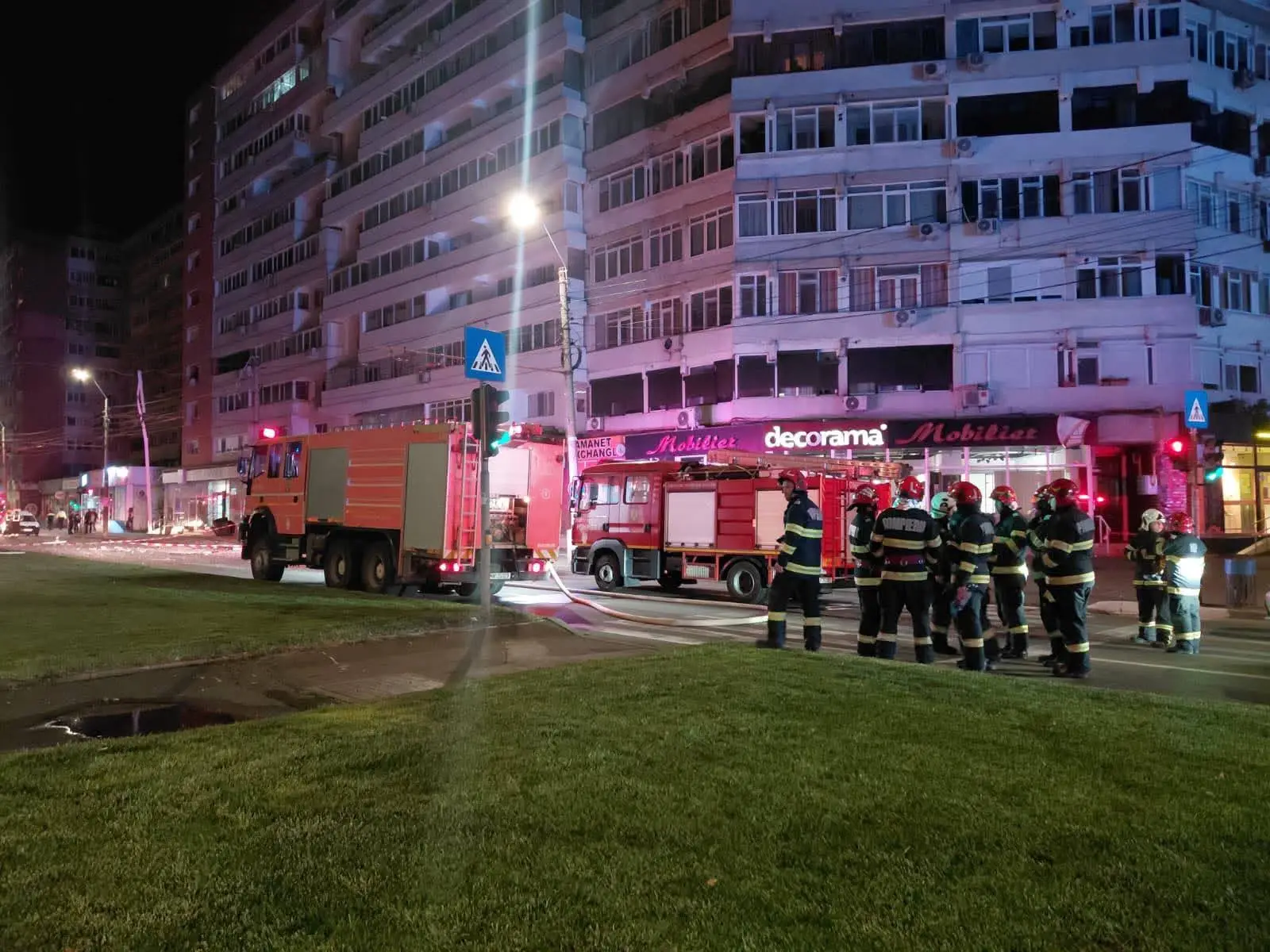

The pilots could not reach a position to engage the drone without risking civilian lives. A NATO military official, as cited by Politico, confirmed that planes were prepared and authorized to intervene. The drone incident occurred directly over a populated area, complicating potential military responses.
Marco Rubio was among those questioned about the Russian drone that crashed in Galați. NATO is now evaluating additional measures to optimize Romania's and NATO's network of sensors and weapon systems. One option under consideration is transferring the Romanian anti-drone system MEROPS under NATO command.
MEROPS, developed by the Turkish company Aselsan, is designed for low-altitude airspace protection, detecting and tracking aerial threats. A conference for force generation, aimed at addressing these defense challenges, is scheduled for the beginning of next month. This event will likely focus on integrating systems like MEROPS into a broader NATO framework to enhance regional security.
Galați, a major port city on the Danube River near the Ukraine border, has been vulnerable to spillover incidents from the ongoing conflict. The city's relatively open area with wide spaces presents unique challenges for defense strategies. The Romanian Ministry of Defense's explanation centered on the limited time to act and the risk of civilian harm, highlighting the need for improved rapid response capabilities.
The ongoing evaluation by NATO and the potential integration of systems like MEROPS indicate a concerted effort to strengthen regional defenses against aerial threats.
Sursă: adevarul.ro
Comentarii
Fii primul care comentează.


