FIFA Power Rankings will score every player at World Cup 2026 — Wenger's algorithm updates after each match
FIFA launches its new Power Rankings system at the World Cup 2026, using data-driven algorithms to evaluate player performance. This marks the first World Cup with 48 teams, held in North America from June 11 to July 19.

FIFA will debut a new player evaluation system at the World Cup next week, generating a top 100 list that updates after every match. The FIFA Power Rankings system scores field players from 0 to 10 across three categories: attack, creativity, and defense. Goalkeepers receive separate evaluations based on saves made and goals conceded.
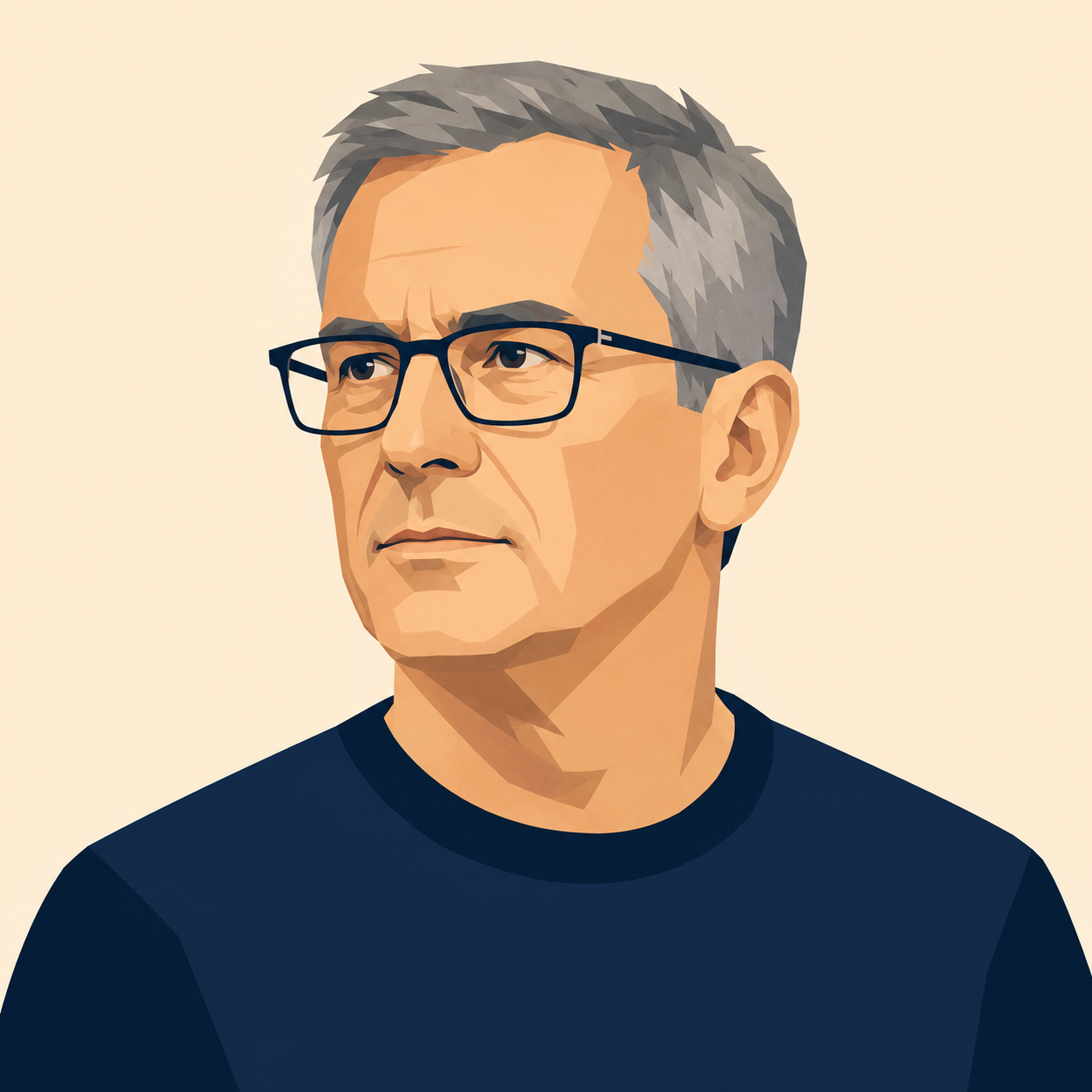
Arsene Wenger guided development of the program. The former Arsenal coach now heads FIFA's global football development division. He told reporters the rankings rely on objective data rather than subjective assessment, measuring performance through unique algorithms developed by what FIFA described as "football experts."
Sportal. bg reported his statements. The system publishes its first rankings after each team completes its opening match.
From that point forward, the list recalculates following every game the team plays. A player's position in the top 100 can shift multiple times across the tournament depending on match performance. World Cup 2026 begins June 11 across the USA, Mexico, and Canada.
It runs through July 19. The tournament expanded to 48 teams this year, up from 32 in previous editions. That expansion drives the schedule to 104 matches over 38 days, making it the longest World Cup in history.
Three host nations present logistical complexity. Venues span time zones and climates. The extended format tests FIFA's coordination across borders, but it also delivers the sport to audiences in three of the continent's largest markets simultaneously.
Wenger emphasized the data captures what happens on the field in measurable terms. Attack metrics track goal contributions, shot creation, and movement into dangerous areas. Creativity scores reflect passes that break defensive lines, key assists, and vision under pressure.
Defense quantifies tackles won, interceptions, and positional discipline. For goalkeepers, the algorithm weighs save difficulty against expected goals conceded. A keeper facing high-quality chances who limits damage scores higher than one facing fewer threats.
The system accounts for shot volume and shot quality separately. FIFA positioned the Power Rankings as part of a broader push toward data-driven transparency in football. The organization previously introduced VAR technology to assist referees with critical decisions.

Video review changed how officials handle offsides, penalties, and red card incidents. Power Rankings extend that philosophy to individual performance evaluation, moving beyond traditional statistics like goals and assists. The rankings offer real-time insight into which players are influencing matches most effectively.
A defender who shuts down attacks but rarely touches the ball in the opponent's half can now receive measurable credit for that work. A midfielder who creates chances without registering assists gets quantified contribution. Fans will see the top 100 list refresh throughout the tournament.
A standout performance in the group stage can vault a player into the rankings. A poor showing in the knockout rounds can drop them out. The system treats each match as new data, not cumulative reputation.
Wenger's involvement signals FIFA's intent to make the system credible within football's technical community. His coaching career at Arsenal spanned two decades. He built teams around data analysis before it became standard practice in European football.
His current role at FIFA focuses on evolving how the game is played and understood globally. The 48-team format increases the number of nations competing by 50 percent. More countries from Africa, Asia, and North America qualified than in any previous World Cup.
The expanded bracket means more matches in the group stage and an additional knockout round before the quarterfinals. Scheduling 104 matches across 38 days requires precise venue coordination. Teams will travel between cities and countries during the tournament.
FIFA planned rest periods between matches to account for travel demands, but the compressed schedule still tests player fitness and squad depth. North America last hosted the World Cup in 1994, when the USA staged the tournament alone. That event set attendance records.
The 2026 edition spreads matches across three nations, aiming to replicate that commercial success while showcasing football's growth in the region over three decades. The Power Rankings system generates its first data set within days. Once the tournament begins June 11, the algorithm starts scoring performances.
The top 100 list will publish after the opening round of group matches concludes. From that point, every match result feeds into the rankings, reshaping the list until the final whistle on July 19.
Comentarii
Fii primul care comentează.