UAE denies releasing frozen Iranian funds amid regional tensions
The UAE has denied reports that it released billions in frozen Iranian funds to halt attacks. Iran had targeted UAE ports and other Gulf nations. The US and Iran are reportedly close to a war-ending agreement. Regional stability remains fragile with ongoing skirmishes. Diplomatic efforts continue amid concerns over Iran's missile and nuclear programs.

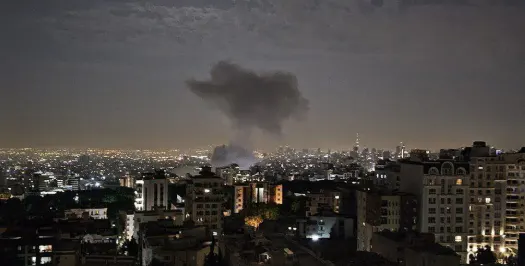
The United Arab Emirates (UAE) has denied allegations that it agreed to release billions of dollars in frozen Iranian funds in exchange for a cessation of attacks by Iran. The UAE, which has been targeted by Iranian strikes, including those on Dubai and the Fujairah port, rejected reports suggesting any such deal. "Allegations are entirely false and unfounded," a UAE official stated, emphasizing that no Iranian funds have been released or facilitated through the Emirates. This denial follows a report from Reuters indicating that the UAE had agreed to release $10 billion to Iran.
The claims of a financial arrangement come amid heightened tensions in the region. Iran has been accused of targeting several Gulf nations, including Kuwait and Bahrain, with missiles and drones over the past month, intensifying instability in the area. These actions follow Iran's broader strategy of exerting control over the Strait of Hormuz, a important passage for global oil exports.
In parallel, Tehran and Washington are reportedly nearing an agreement to end hostilities, a move that could potentially involve the release of tens of billions of dollars in frozen Iranian oil revenues. The US sanctions that froze these funds were part of a broader effort to pressure Iran during the conflict, which also involved Israel. Despite the sanctions, the US and Israel have not succeeded in neutralizing Iran's regime.
Aniseh Bassiri Tabrizi, an associate fellow at Chatham House, noted the shifting dynamics in UAE-Iran relations. "The position has shifted by both sides," she remarked, adding that diplomacy remains the only viable path forward. Tabrizi described the current situation as "an unstable situation with a very fragile ceasefire, with some very unpredictable skirmishes across the region." She highlighted the desire among most countries for a return to the pre-war status quo.

The UAE's reputation as a safe and stable business hub has been jeopardized by these attacks, particularly those that struck Dubai, a city known for its secure environment. The ongoing conflict has also brought renewed attention to Iran's missile and nuclear weapons programs, raising concerns among Gulf nations.
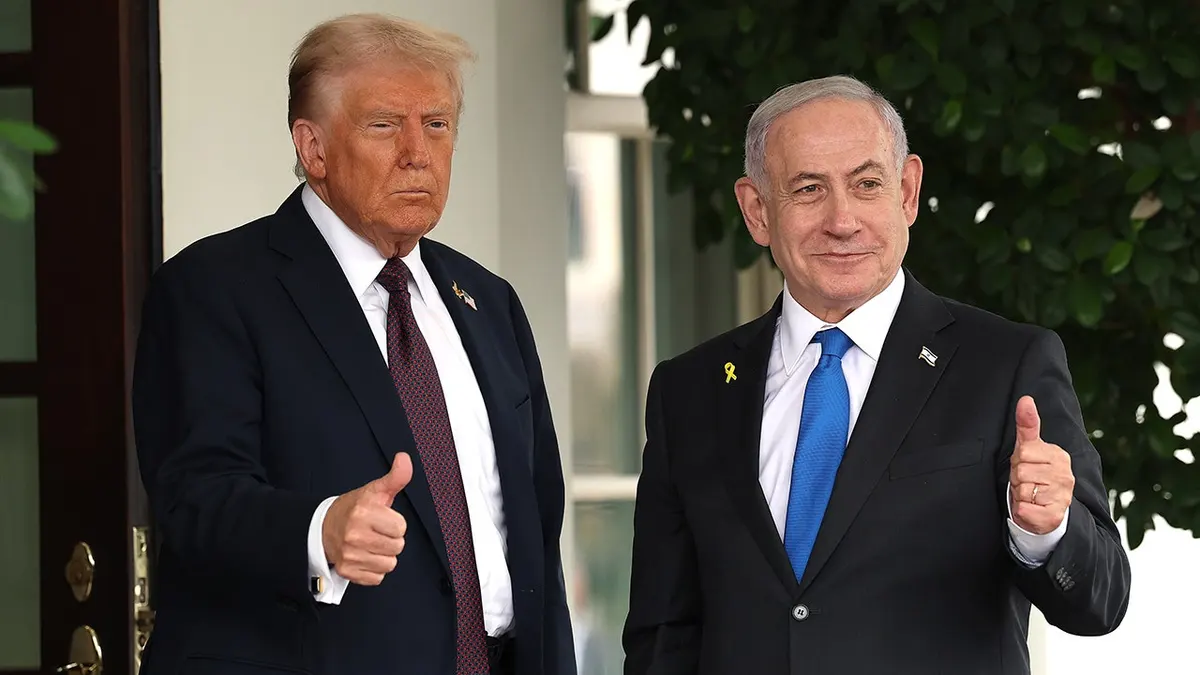
The US, while engaged in diplomatic efforts with Iran, has not directly commented on the reported fund release. However, US Vice-President JD Vance stated on Friday that no funds would be released unless Iran signs a deal with the US. Meanwhile, Scott Bessent, the US Treasury Secretary, raised the possibility of using frozen Iranian assets to pay for war damages.
Iran's recent actions, including attacks on Bahrain, Jordan, and Kuwait, highlight the volatile nature of the region. These developments come as the US and Iran move towards a potential agreement that could reshape the geopolitical field. Nevertheless, the region remains on edge, with many Gulf nations advocating for de-escalation and stability.
The restoration of diplomatic relations between Saudi Arabia and Iran in 2023, after a seven-year hiatus, marked a significant step towards regional stability. However, the fragile ceasefire and ongoing skirmishes highlight the challenges ahead. As the situation unfolds, the international community watches closely, hoping for a resolution that ensures peace and security across the Gulf.
Comentarii
Fii primul care comentează.