Netanyahu navigates domestic crisis as US-Iran deal looms
Israeli Prime Minister Benjamin Netanyahu faces political and legal challenges as he navigates tensions with the US and Iran. His relationship with President Donald Trump is strained amid US-Iran peace deal talks.

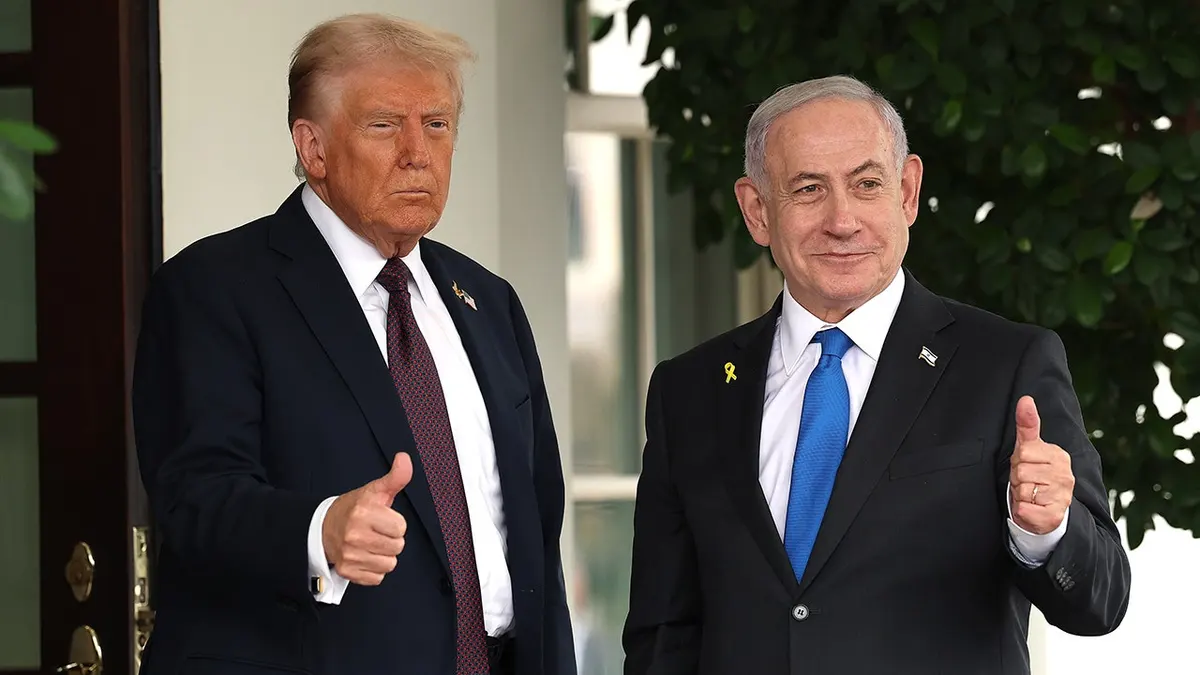
Israeli Prime Minister Benjamin Netanyahu faces mounting political pressure as early elections approach and his trial on fraud and bribery charges resumes. His nearly three-decade hold on Israeli politics is under threat from multiple directions: legal proceedings that can no longer be delayed by security invocations, fluctuating poll numbers, and a strained relationship with Washington. Netanyahu's political calculus requires demonstrable victories against Hamas, Hezbollah, and Iran.
Initial strikes on Iranian infrastructure boosted his support. That advantage evaporated as conflicts in Gaza, Lebanon, and Iran dragged on without decisive outcomes. Voters demanding results are watching.
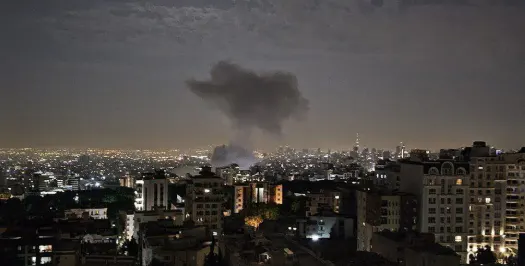
The prime minister threatened earlier this week to expand attacks on southern Beirut suburbs. The timing proved problematic. US President Donald Trump had just announced a peace deal with Iran was nearly finalized.
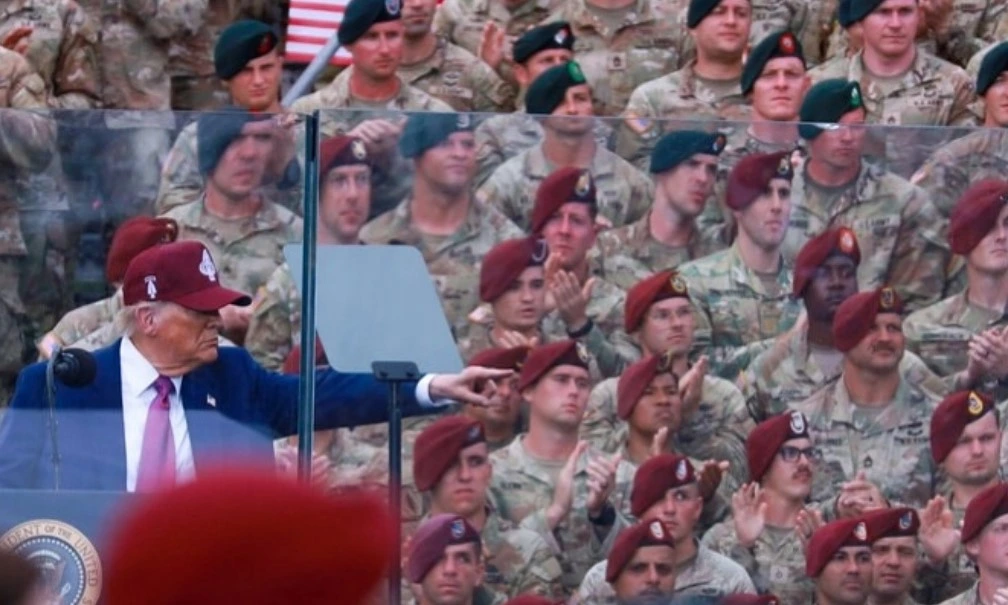
Trump's subsequent phone call with Netanyahu was tense. Trump expressed displeasure over continued Israeli military operations. He reminded Netanyahu of Washington's support, a statement the Israeli leader interpreted as a request for total armistice.
Netanyahu attempted to minimize the incident publicly, but the friction was evident. Trump later admitted to reporters, "I think I talked too much," after Iran negotiations stalled. The US-Israel relationship, historically strong under both leaders, is being tested.
Netanyahu needs a show of force for domestic consumption. Trump needs Israeli restraint to finalize an Iran agreement. These objectives are incompatible.
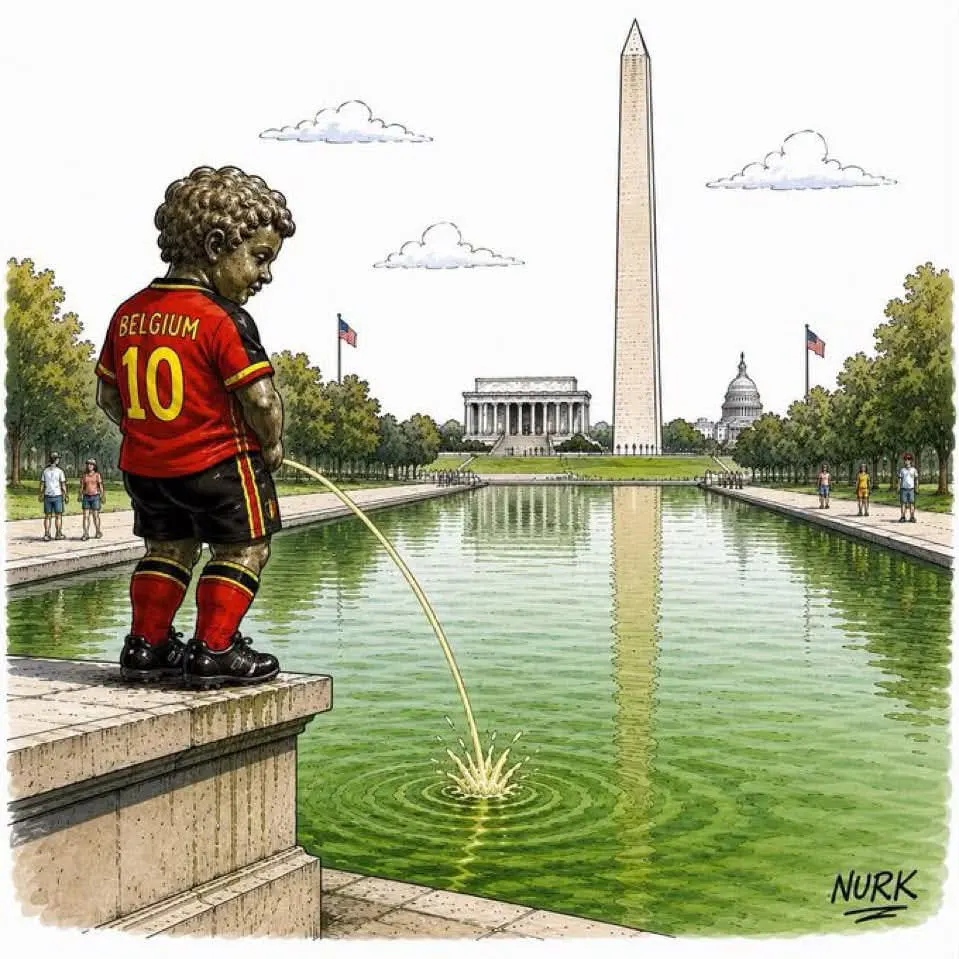

Netanyahu confirmed Israel would not attack Beirut without new Hezbollah provocations. Israeli military operations in Lebanon continued regardless. The gap between statement and action reflects his dilemma: appear strong enough to win elections while not alienating the US administration whose support remains important.
His legal troubles compound the political crisis. Trial hearings resumed this week after years of delays justified by security concerns. The charges—fraud and bribery—carry potential prison sentences.
Netanyahu previously used his security role to postpone judicial procedures. That strategy has exhausted its utility as courts press forward. The upcoming elections will determine whether Netanyahu retains power or loses it after almost three decades.
His popularity fluctuated in recent months, rising with military action, falling as conflicts prolonged without resolution. Voters want outcomes. The extended operations in multiple theaters have not delivered them.
Trump's public statements about an imminent Iran deal added pressure. His admission of speaking prematurely, after negotiations stalled, revealed the fragility of diplomatic progress. Netanyahu's alignment with or opposition to US policy on Iran will significantly impact his standing with both Israeli voters and Washington.
The convergence of legal proceedings, electoral pressure, and international tensions creates an unstable environment for Netanyahu's leadership. His ability to navigate these simultaneous crises will determine his political survival. The trial outcome, election results, and progress of US-Iran negotiations will shape Israel's political field in coming months.
Comentarii
Fii primul care comentează.