USR Cluj founder Levente accuses Dan of betraying party
Elek Levente, the founding president of USR Cluj, criticized Nicușor Dan for abandoning the party's founding values and forming questionable alliances. Levente's statement highlights growing discontent among USR supporters, particularly regarding Dan's perceived closeness to PSD and Romania's intelligence services. The rift highlight internal tensions and a sense of betrayal within the party.

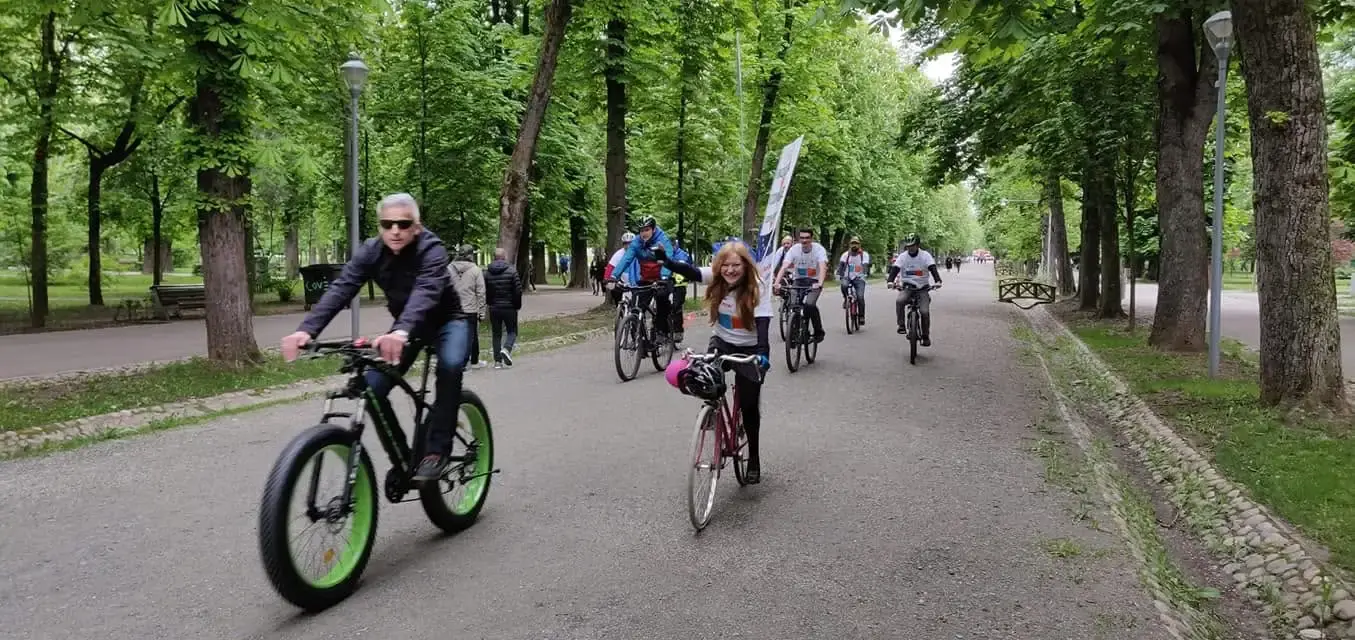
Sursa: Facebook Elek Levente
Elek Levente, founding member and first president of USR Cluj, accused President Nicușor Dan on Thursday of abandoning the principles that defined his political career. In a public message circulated online, Levente challenged Dan's recent actions and alliances.
The statement follows growing unrest among USR supporters over Dan's perceived closeness to PSD and Romania's intelligence services. Controversy intensified after allegations emerged concerning Lucian Pahonțu, head of the Protection and Guard Service, relating to his alleged role in violent repression during the Mineriad and the Revolution. Dan rejected the accusations as unsubstantiated rumors.
"Nicușor, wake up!" Levente wrote, using the Romanian phrase "Nicușor trezește-te!" as a refrain. "I no longer recognize you. You are not the intelligent, upright man who convinced me."
Levente's intervention marks a rare public rift within USR's founding ranks. He recalled being persuaded by Dan's reputation for integrity a decade ago, which led him to join the party and campaign for Dan's election. "I voted for you and convinced many others to vote for you," Levente said. "I voted for you out of conviction."
The sense of betrayal reflects wider disillusionment among USR's core supporters. According to party insiders, most USR voters are angered by Dan's recent overtures to PSD and his perceived alignment with Romania's security apparatus.
Current USR Cluj leaders and the party's parliamentary deputies from Cluj have remained silent, declining to comment on the revelations published by Snoop or on Dan's subsequent denials.
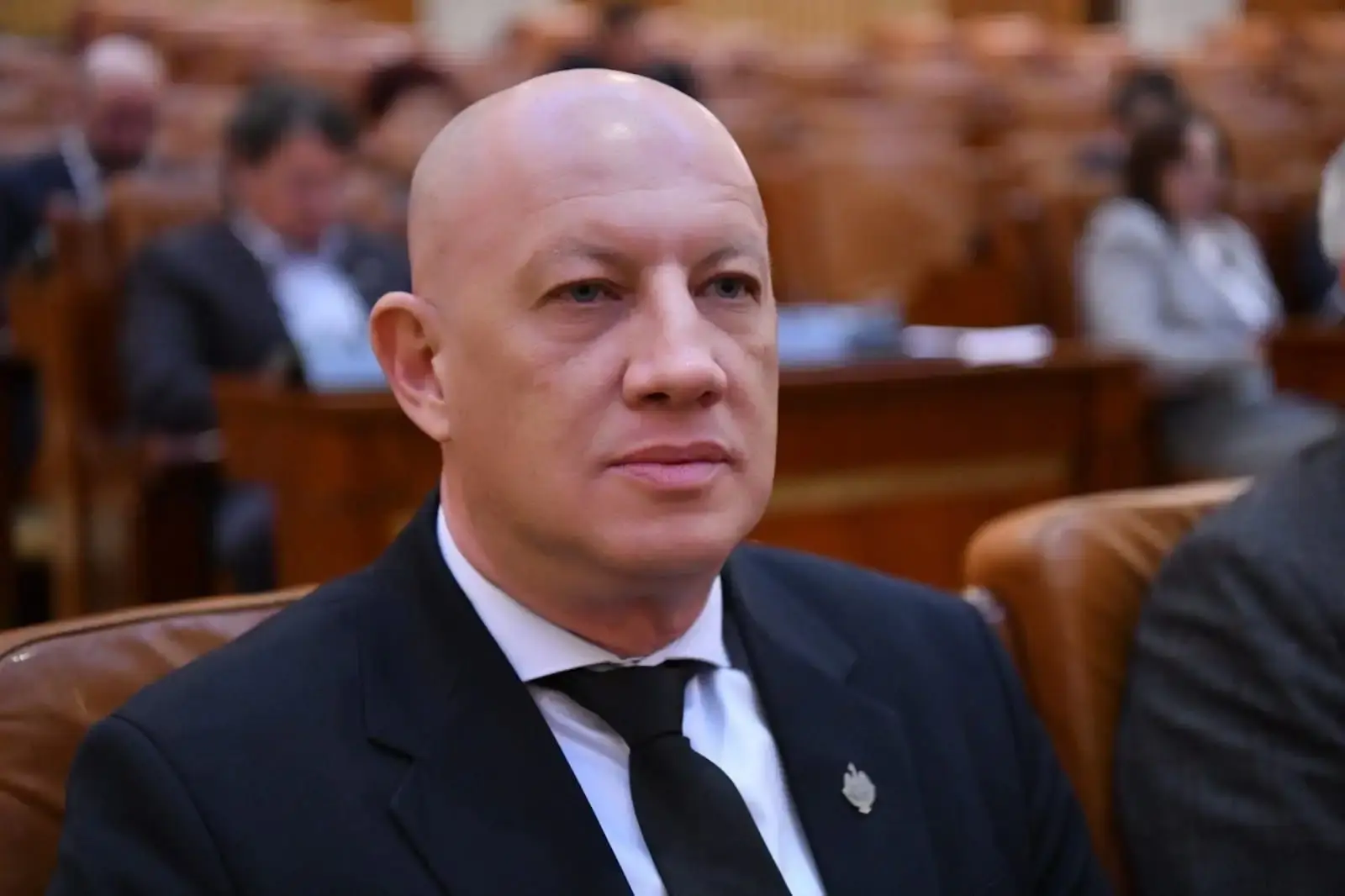
Levente accused the president of following a plan that serves only his own interests and those of entrenched power structures. He suggested Dan's recent decisions have undermined the fight against corruption and instead consolidated the very system the party once opposed. "Until the 'Veștea' moment, I believed you had a plan," Levente wrote, referencing a recent turning point. "Now it seems your plan is only for yourself and is unacceptable to us."
Levente invoked personal responsibility, urging Dan to reconsider his path for the sake of his children and for the millions of Romanians who placed their trust in him. "If you have accepted to carry this shameful burden for the rest of your life, your children will find it very hard to live with the burden you are placing on them today," Levente said.
The message also criticized Dan's performance since taking office, arguing that his tenure has produced no tangible results. "So far, you are the weakest president Romania has had since '89, even though you were given the greatest opportunity," Levente wrote. "You have delivered nothing concrete, and your actions are more serious than inefficiency."
Levente's remarks referenced Pahonțu, whose alleged involvement in past political violence has become a focal point for critics of the current administration. Dan dismissed the claims as "undocumented rumors." The accusations against Pahonțu have not been substantiated by official investigations, but their resurfacing has contributed to suspicion among USR's base.
The silence from USR Cluj's current leadership stands in contrast to Levente's public challenge. Party officials in Cluj and USR's local deputies have not issued statements regarding the allegations or Dan's response, despite vocal discontent among their electorate. According to party sources, this reticence aligns with a broader strategy of non-confrontation, reportedly encouraged by PSD leadership.
USR, founded in 2016, positioned itself as a reformist force against political corruption and the influence of Romania's security services. Dan's leadership was central to the party's identity, attracting members like Levente who were motivated by his public image as an incorruptible outsider. The recent controversy has cast doubt on that reputation.
Levente's public message has circulated widely among USR supporters and has been cited in online forums as evidence of a deepening crisis of confidence. No official response has come from Dan or the party's national leadership.
Comentarii
Fii primul care comentează.