Ukrainian drone self-detonates in Constanța Port after losing control
A Ukrainian maritime drone exploded at Constanța Port on Friday, causing no casualties. Ukrainian officials confirmed the drone's origin and stated it drifted off course due to Russian electronic interference. Romania was informed to prevent harm.

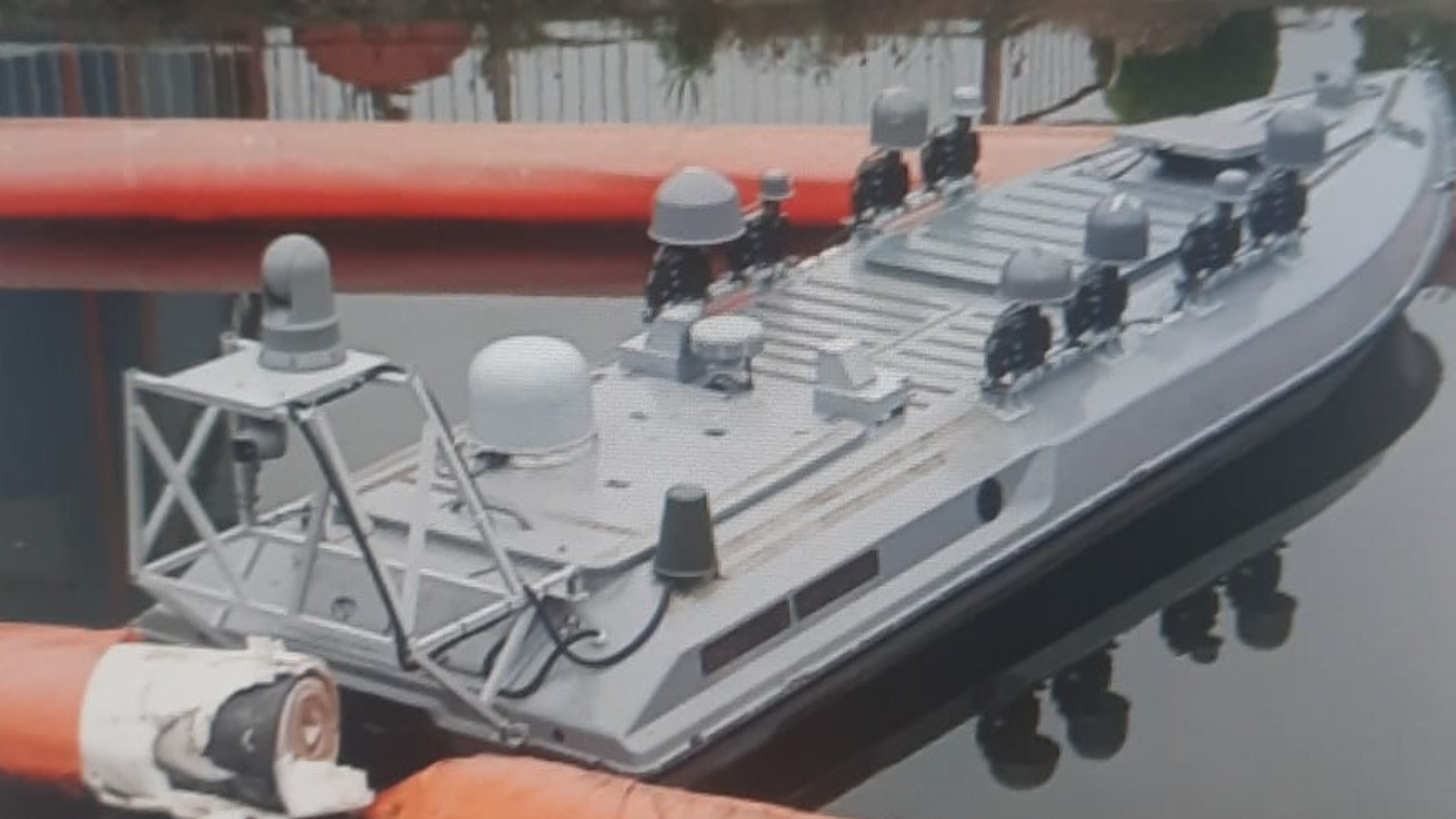
A Ukrainian maritime drone self-detonated in Constanța Port on Friday, causing no casualties but triggering immediate diplomatic contact between Kyiv and Bucharest. The Ukrainian Naval Forces confirmed ownership of the device and stated it had deviated from its planned trajectory before drifting into Romanian territorial waters. The explosion occurred near the headquarters of the Romanian Agency for Saving Human Life at Sea.
Residents across several districts of Constanța reported hearing the blast. The drone detonated in the civil port, Romania's largest commercial harbor and a critical node for Black Sea shipping, including Ukrainian grain exports. Ukrainian Naval Forces announced the drone's origin via Facebook on Friday.
The statement said the device went out of control and drifted toward the Romanian coast. Kyiv authorities contacted the Romanian side to warn of the trajectory deviation and prevent casualties, the Naval Forces said. Russian electronic warfare systems interfered with the drone, causing it to lose its programmed course, the Ukrainian statement said.
The Naval Forces did not specify which Russian system was responsible or where the interference originated. The drone was intended for other operations, the statement said, without elaborating on its original mission. The Russian Embassy in Romania responded to the incident, stating that the drone in Constanța Port was Ukrainian.
The embassy said any association of the device with Russian operations was unfounded. The statement sought to distance Moscow from the explosion, emphasizing that claims linking the drone to Russian activities were baseless. Constanța Port handles significant commercial traffic, making it a sensitive location amid the ongoing conflict between Russia and Ukraine.
The port's proximity to the conflict zone has raised concerns about spillover risks. Friday's detonation marks the first confirmed Ukrainian drone incident in Romanian territorial waters since the conflict began. The Ukrainian Naval Forces' decision to contact Romanian authorities before the detonation reflects an attempt to manage the situation transparently.
The communication aimed to provide advance warning and coordinate a response, the Naval Forces said. Romanian officials have not publicly commented on the content of the contact or the timeline of the warning. Electronic warfare has become a defining feature of the Black Sea theater.
Russian systems have previously disrupted GPS signals and communications across the region, affecting both military and civilian operations. Ukrainian drones operating near the conflict zone face persistent interference, though Friday's incident represents the first publicly acknowledged case of a Ukrainian device reaching NATO territory as a result. The explosion near ARSVOM headquarters raised immediate questions about port security and the vulnerability of critical infrastructure to unintended incursions.

ARSVOM, the Romanian Agency for Saving Human Life at Sea, coordinates maritime rescue operations along Romania's Black Sea coast. The agency has not issued a statement on the incident. Romanian authorities have not disclosed whether they detected the drone before it entered territorial waters or whether any interception attempts were made.
The government has not commented on the specifics of the interference claimed by Ukraine or on any investigation into the incident. Bucharest has reiterated its commitment to securing its territorial waters but has not outlined specific measures in response to Friday's detonation. The incident underscores the risks that regional conflicts pose to neighboring states.
Romania, a NATO member, has maintained a policy of supporting Ukraine while avoiding direct involvement in the conflict. The drone detonation complicates that balance, raising questions about accountability and response protocols when military devices cross borders unintentionally. Ukrainian and Romanian officials are expected to hold further discussions on the incident.
The talks will likely address communication protocols and real-time information sharing to prevent similar occurrences. Both governments have an interest in ensuring that future trajectory deviations are managed without risk to civilian infrastructure or maritime traffic. The Ukrainian Naval Forces' public acknowledgment of the drone's origin represents an effort to maintain transparency with Bucharest.
Kyiv has consistently emphasized the importance of regional cooperation in managing the spillover effects of the conflict. Friday's statement fits that pattern, though it leaves unanswered questions about the drone's original mission and the timeline of the trajectory deviation. The detonation in Constanța Port highlights the fragile security dynamics in the Black Sea region, where military and commercial interests intersect.
The port's role in Ukrainian grain exports makes it a strategic asset for Kyiv, even as it remains Romanian sovereign territory. Any disruption to port operations carries economic and political consequences for both countries. Romanian authorities are expected to conduct a detailed investigation into the incident.
The findings will shape future policies on maritime security and response to external threats. Bucharest will need to verify the claims of electronic interference and assess the implications for national security, particularly regarding the vulnerability of critical infrastructure to unintended military incursions. The next steps involve coordination between Ukrainian and Romanian defense and foreign ministries.
Both governments will seek to establish clearer protocols for managing incidents involving military devices that cross borders due to technical failures or external interference. The goal is to prevent future detonations in civilian areas and ensure that warnings reach the appropriate authorities in time to mitigate risks. Friday's explosion in Constanța Port serves as a reminder that the conflict's effects extend beyond the immediate theater of operations.
Neighboring countries face risks from spillover incidents, even when no hostile intent is involved. The challenge for Romania and Ukraine is to manage those risks through improved communication and operational coordination, ensuring that regional security is maintained without compromising support for Ukraine's defense efforts.
Source: www.monitorulcj.ro
Comentarii
Fii primul care comentează.