President Dan convenes defense talks after Ukrainian drone explodes in Constanța Port
Romanian President Nicușor Dan announced consultations with defense institutions after a marine drone exploded in Constanța Port, marking the second security incident on the coast. Ukrainian drones lost control due to Russian interference, highlighting regional tensions.

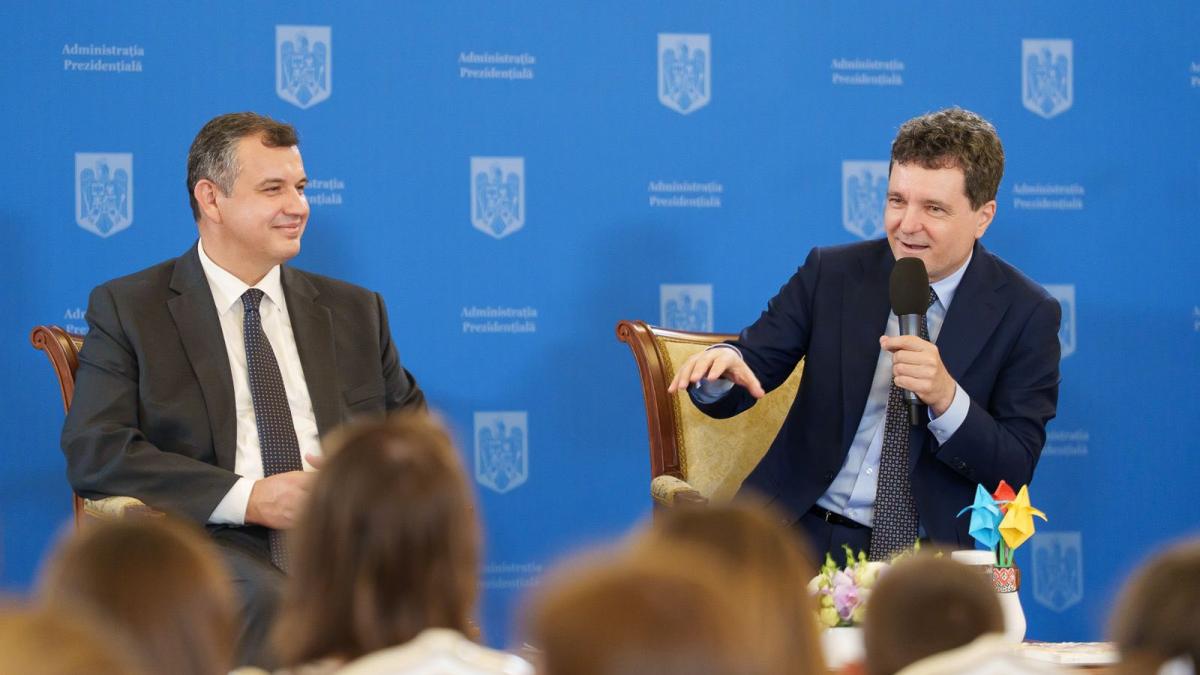
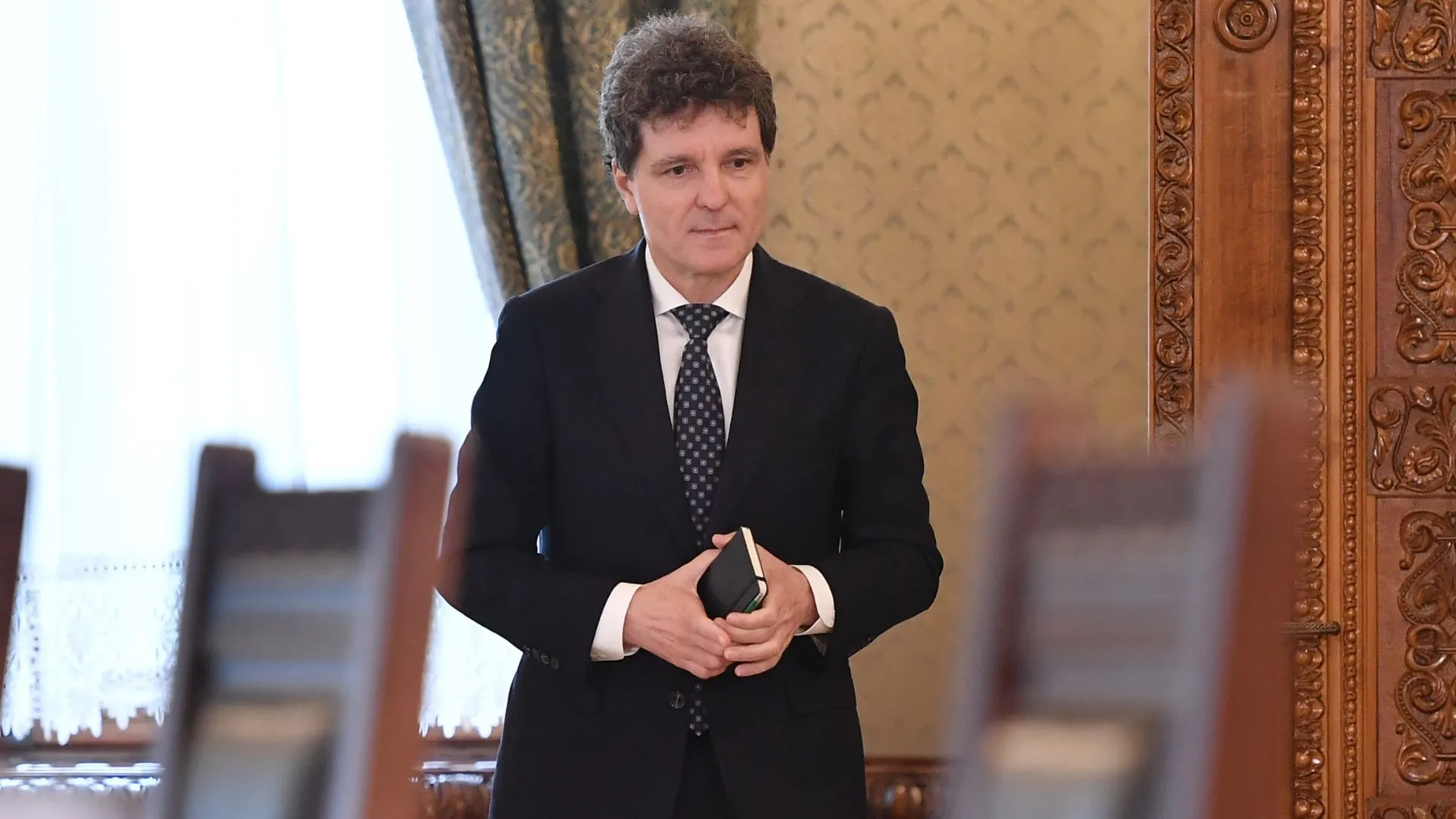
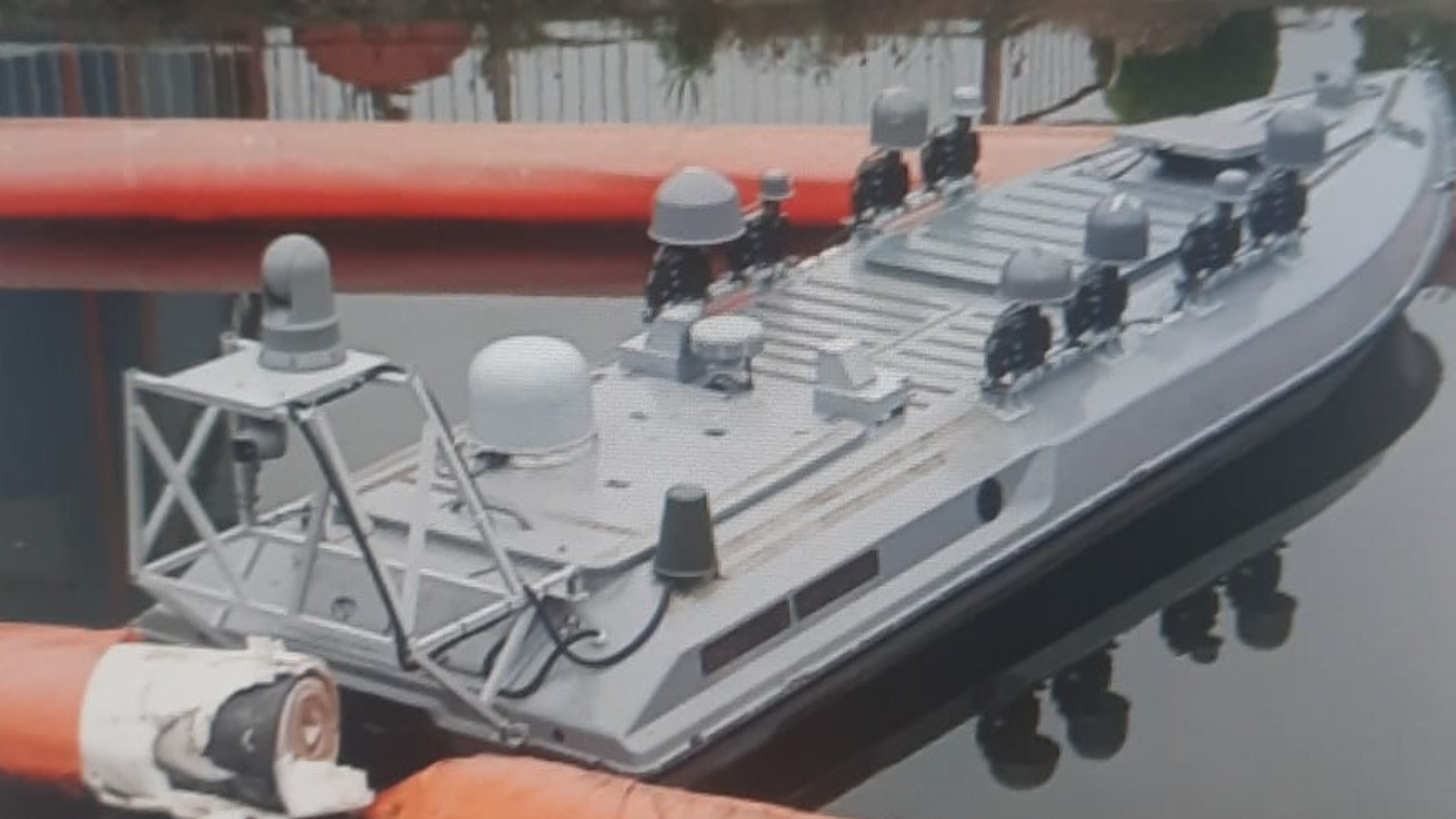
A Ukrainian marine drone exploded in Constanța Port on June 5, 2026, at 06:20, prompting President Nicușor Dan to schedule emergency consultations with defense institutions for Saturday. The explosion, heard across multiple neighborhoods, marked the second security incident involving drones on the Romanian coast. Dan, speaking at the EU-Western Balkans Summit in Montenegro, called marine drones a "new subject" for him.
He said the Saturday meeting will examine the context of the incident, available equipment, and gaps in current defenses. He promised to communicate findings publicly after the consultations. The Romanian Government published an information note confirming the exploded drone was one of four Ukrainian drones that the Ukrainian army lost control of during operations.
Three other drones self-detonated: two offshore, one outside the port. The government said Ukrainian and Romanian data confirmed the sequence of events. Ukrainian authorities attributed the loss of control to Russian electronic warfare systems, which disrupted the drones' navigation and caused them to drift toward the Romanian coast.
The Romanian Agency for Saving Human Lives at Sea, whose headquarters sit near Dock 78, observed the drone and alerted the Coast Guard at 06:20. A Constanța Ship Group team isolated the perimeter. The Coast Guard contacted the Romanian Naval Authority to restrict naval traffic in the port.
The National Company for Maritime Port Administration Constanța coordinated port security measures. The Ministry of National Defense informed Ukrainian counterparts after identifying the drone. No casualties were reported.
The explosion raised immediate questions about the adequacy of coastal surveillance systems and the protocols for tracking foreign military equipment in Romanian waters. The government requested that Ukraine notify Romania in advance of operations that could pose similar risks. The Romanian Intelligence Service and other national security agencies were briefed on the incident.
The loss of control, confirmed by the Ukrainian army, underscored the vulnerability of drone operations to electronic countermeasures in the Black Sea theater. Dan's consultations will focus on assessing whether Romania's current defense infrastructure can detect and respond to marine drones. The meeting will include representatives from the Ministry of National Defense, the Coast Guard, and intelligence services.
The president said he had previously received real-time information on aerial drones but lacked comparable systems for marine threats. The incident occurred as geopolitical tensions between Ukraine and Russia continue to affect Black Sea security. Russian electronic warfare capabilities have disrupted Ukrainian drone operations before, but this marks the first confirmed instance of a Ukrainian drone detonating on Romanian territory.
The National Company for Maritime Port Administration Constanța has worked with defense and intelligence agencies to review security protocols at Dock 78 and other port facilities. The collaboration aims to prevent unauthorized objects from entering port zones undetected. The government's information note did not specify the type of drone or its payload.
Ukrainian drones operating in the Black Sea typically target Russian naval assets or coastal infrastructure. The note confirmed that all four drones were part of a single Ukrainian operation. Dan's Saturday consultations will determine whether Romania needs to acquire new detection equipment, revise engagement rules for foreign military objects in territorial waters, or establish formal notification agreements with Ukraine.
The president said he will discuss shortcomings in current systems and propose measures to address them. The Romanian Naval Authority has not disclosed whether naval traffic restrictions remain in effect. The Coast Guard's isolation of Dock 78 ended after the perimeter was cleared, but the port's security status has not been publicly updated.
The incident is the second involving drones on the Romanian coast. Dan did not specify the nature or date of the first incident. The repetition of such events has prompted calls for a thorough review of maritime defense strategies and international coordination mechanisms.
The Ministry of National Defense has not commented on whether Romania will seek compensation from Ukraine for the security disruption or the cost of the emergency response. The government's request for advance notification suggests Romania intends to formalize protocols rather than pursue punitive measures. The Saturday meeting will produce a public assessment of the marine drone threat and recommend next steps.
Dan's promise to communicate findings publicly indicates the government views transparency as necessary to address public concern about coastal security. The explosion at Dock 78, near the headquarters of the Romanian Agency for Saving Human Lives at Sea, demonstrated the proximity of the threat to civilian infrastructure. The agency's early detection allowed the Coast Guard to respond before the drone could drift further into the port.
The government confirmed the events with both Ukrainian and Romanian data, indicating cross-border information sharing occurred after the incident. The note did not specify whether Ukraine provided advance warning of the drone operation or notified Romania only after losing control. Dan's consultations will assess whether Romania's defense institutions have the capacity to track marine drones in real time.
The president's admission that marine drones are a new subject for him reflects the broader challenge of adapting traditional coastal defenses to emerging threats. The Romanian Intelligence Service's involvement signals that the government is treating the incident as a matter of national security, not merely a technical failure. The service's role in enhancing surveillance and defensive measures along the coast will be central to the Saturday discussions.
The outcome of the consultations will shape Romania's response to future drone incidents and determine whether the country seeks new agreements with Ukraine or NATO allies. The findings will inform policies on maritime security infrastructure and cross-border military coordination in the Black Sea region.
Comentarii
Fii primul care comentează.