Why András Demeter's resignation should have happened long ago
Demeter invited failed candidates to assess new ones. Cultural selection criteria became politicized.
Controversial management law aimed to exclude independents. Demeter's actions at Cluj Opera raised ethical concerns.
Transilvania Times
13 zile în urmă
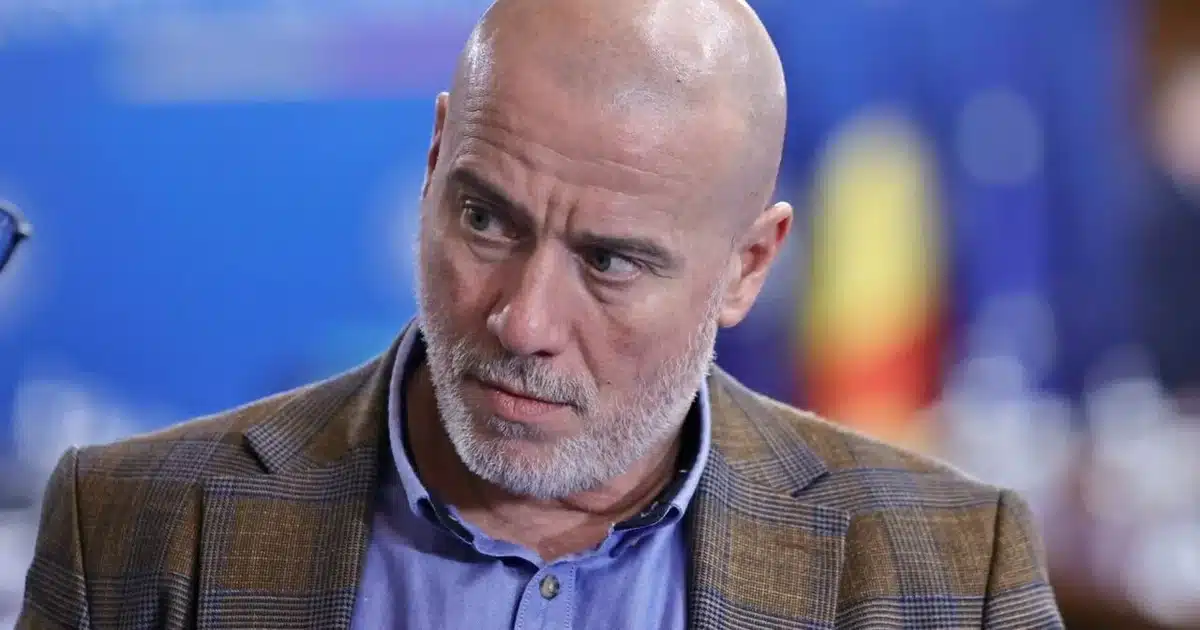
The resignation of András Demeter, the former Minister of Culture, has sparked a heated debate over whether it was timely or long overdue. Many argue that his departure should have occurred much earlier due to a series of missteps and controversies that plagued his tenure. One significant moment that raised eyebrows was in March when Demeter relaunched the competition for the manager's position at the National Theatre Bucharest (TNB). He controversially invited former candidates who had failed previous evaluations to be part of the new assessment committee. This decision was met with criticism from cultural figures who saw it as an attack on the institution's meritocracy.
Further fueling the controversy, actors, directors, and jury members at TNB accused Demeter of politicizing the selection criteria and manipulating the leadership competition in a non-transparent manner. The Ministry of Culture had introduced new management competition rules, allowing only those with at least ten years of experience leading public institutions to apply. This move was perceived as an attempt to block independent artists and professionals from outside the state system from participating. Notably, the law seemed to target director Alexandra Badea, who publicly criticized the changes, prompting Demeter to dismiss her concerns arrogantly.
In December, Demeter faced backlash when it was revealed that he encouraged Iuliu Szép, a former party colleague with a controversial past, to apply for a position at the Hungarian Opera in Cluj. The interview process was widely regarded as a sham, yet Szép secured the role. Meanwhile, an audio recording made public by Alexandra Tanasescu exposed Demeter's dismissive attitude towards Decebal Vleja, vice president of the CulturMedia union, who highlighted the chronic underfunding and staffing issues in museums.
Demeter also proposed turning the National Institute of Heritage (INP) into a department under direct ministerial control, sparking outrage from civil society and experts who warned that this would undermine the independence of heritage protection. A petition opposing this move quickly garnered over 6,000 signatures, with many accusing Demeter of attempting to politicize heritage decisions.
The final straw came just before his resignation when Demeter dismissed Florin Estefan, the director of the National Opera in Cluj. While other managers received high marks, Estefan was given a score just below passing, leading to his removal. This action further cemented the perception of Demeter as a minister who operated with questionable ethics and a lack of respect for cultural institutions.
Comentarii
Fii primul care comentează.