Romania's political turmoil threatens economic stability
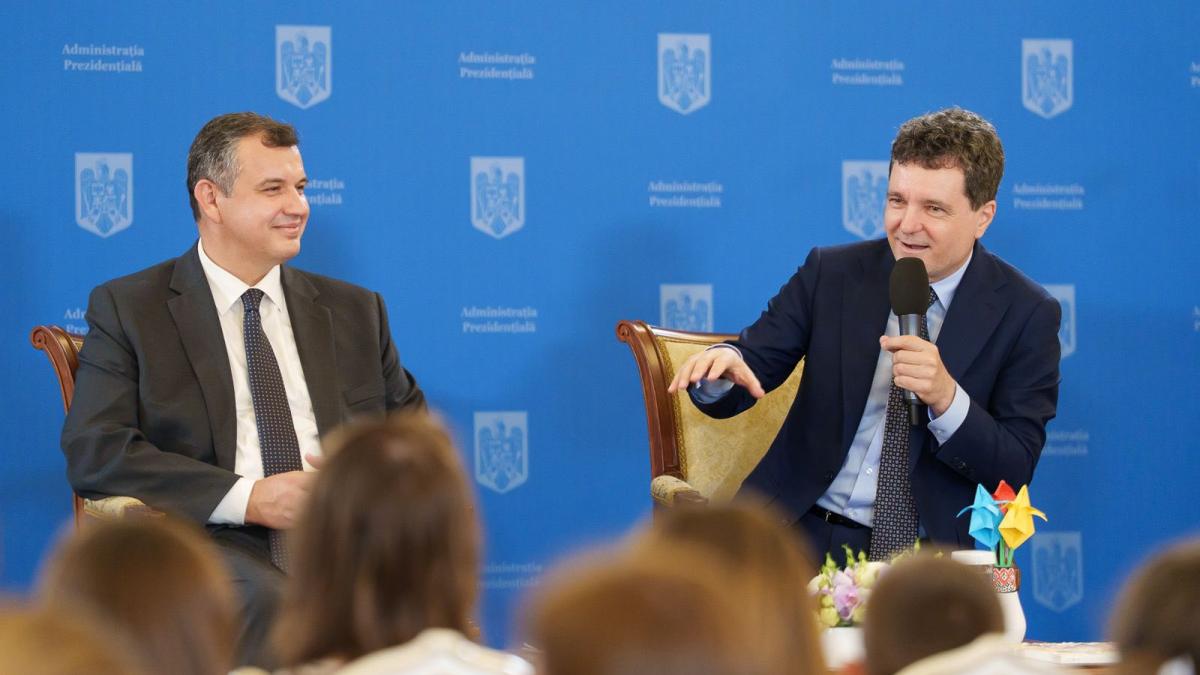
Romania's government crisis continues with Eugen Tomac designated as Prime Minister. Tomac's cabinet faces rejection from major parties. President Nicușor Dan prepares a backup plan involving a technocrat PM. Economic risks include potential credit downgrades and EU fund blockages. The political instability threatens to escalate into an economic crisis.

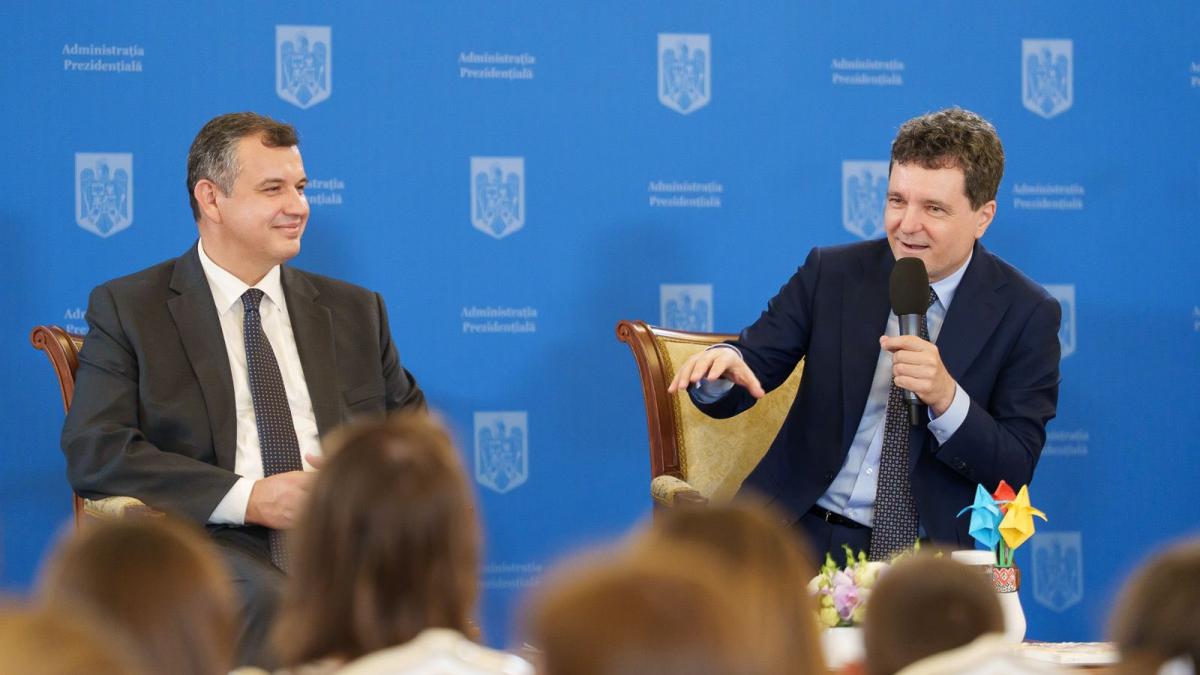
Romania is grappling with a severe political crisis that has persisted for over a month, following the ousting of the Bolojan Cabinet by a PSD-AUR coalition. This turmoil has left the country operating under an interim government with limited powers, exacerbating economic vulnerabilities at a critical time. The political instability threatens to spiral into an economic collapse, with potential consequences for the nation's financial health.
Eugen Tomac has been designated as the new Prime Minister, but his prospects appear grim. According to an editorial brief, Tomac is heading towards a certain parliamentary defeat. Despite this, Tomac has refused to withdraw his mandate, dismissing rumors of his withdrawal as gross disinformation. He has pledged to complete his mission, which will culminate in a final plenary vote likely to take place next week.
The political field is fraught with opposition. Major parties including PNL, USR, UDMR, and AUR have officially rejected Tomac's leadership. In a strategic move, Tomac has allocated key portfolios such as Transport, Development, and Agriculture to PSD proxies, a decision that has drawn criticism from various quarters.
President Nicușor Dan has been orchestrating a contingency plan from Cotroceni Palace, anticipating Tomac's failure. High-level political sources suggest that Dan is preparing to force a rebuilding of the PSD-PNL-USR-UDMR coalition under new leadership. Should Tomac's bid fail, Dan intends to propose a technocrat Prime Minister from his circle of advisors, with Radu Burnete's name being circulated as a potential candidate.

The urgency of the situation is highlight by looming economic deadlines. By July 31, Fitch is set to evaluate Romania's country rating, with a downgrade to 'junk' status a real risk. Such a downgrade could trigger an explosion in state loan interest rates. Additionally, by August 31, Romania must meet outstanding milestones of the PNRR, failing which could result in a permanent blockage of EU funds and further deepen the national deficit.
USR Senator Ștefan Pălărie has been vocal in his criticism of Tomac's government, describing it as politically doomed. He has urged Tomac to resign, arguing that the proposed government is a fragile construction, akin to a 'sandcastle' that will collapse at the first sign of dispute. The USR party, with a 99% consensus, stands firmly against Tomac's cabinet, fearing that any compromise with the PSD will be unforgivable to its electorate.
Within the PNL, there is resistance to reforming alliances with the PSD, despite some internal pressure. Ilie Bolojan, the PNL leader, has maintained a hard line, with only a few leaders advocating for a renewed alliance. Unnamed sources indicate that presidential pressure might force an extraordinary Congress to address the crisis.
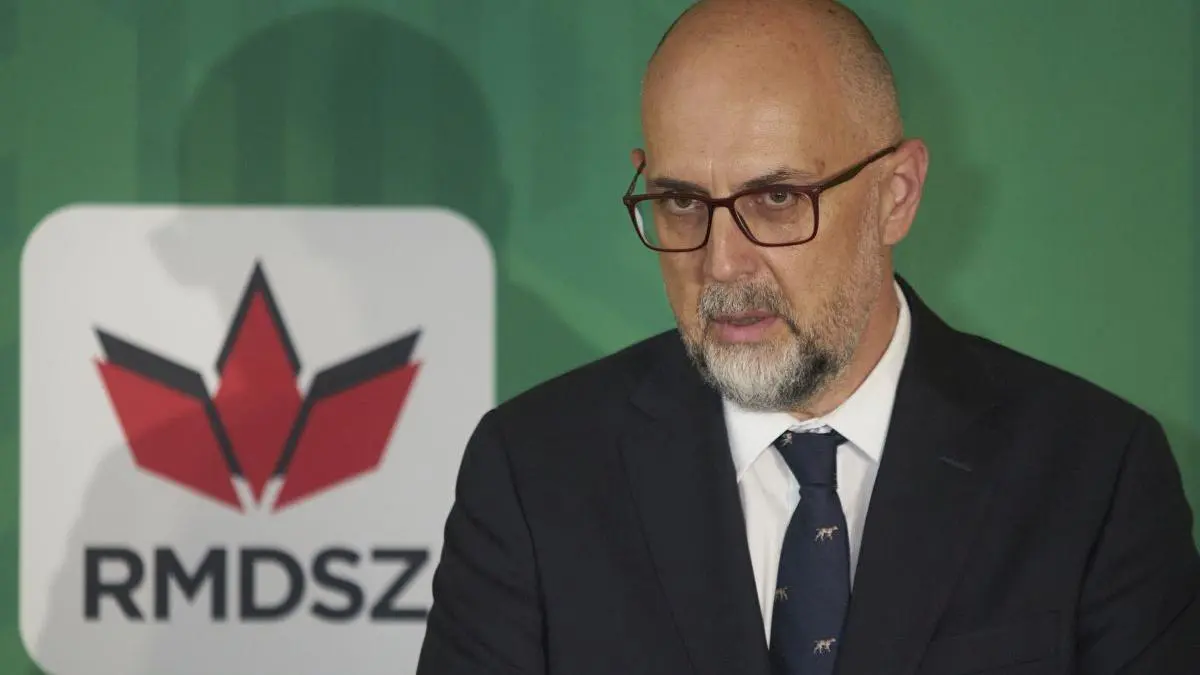
Kelemen Hunor, leader of UDMR, has also expressed his opposition to Tomac's cabinet, dismissing it as a 'phantom cabinet.' He insists on political ministers and a clear division of power for any future government attempts. Hunor has called for concrete proposals rather than speculative ones in any second attempt at forming a government.
The stakes are high as Romania navigates this political quagmire. The country's economic stability hangs in the balance, with the summer of 2026 described as 'incendiary.' The government must act swiftly to stabilize the executive branch and avert a financial catastrophe.
Comentarii
Fii primul care comentează.