Blatter Accuses FIFA of Political Interference in Balogun Red Card Overturn
Former FIFA president Sepp Blatter criticized FIFA's decision to overturn Folarin Balogun's red card suspension, suggesting political pressure influenced the process. Blatter warned that the credibility of the 2026 World Cup depends on the independence of FIFA's disciplinary procedures, raising concerns about political influence overriding established rules.

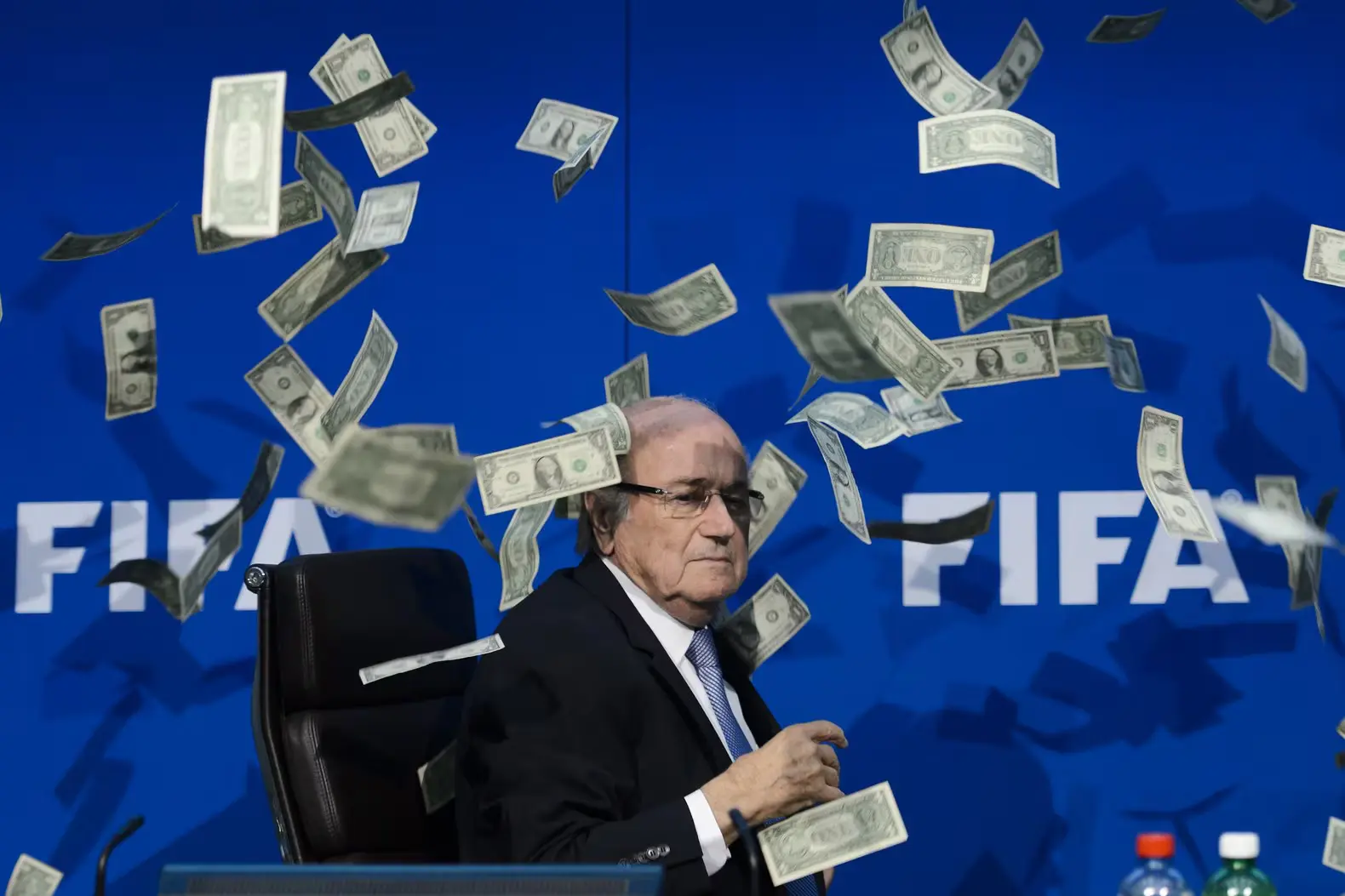
Sepp Blatter's rebuke of FIFA's decision to overturn Folarin Balogun's red-card suspension arrived not as commentary but as accusation. On X, the former FIFA president wrote: "Red cards are not overturned by political phone calls. They are overturned by rules, evidence and independent bodies." The statement, from a man who led world football's governing body for seventeen years, carries the force of institutional memory. It is a warning that the 2026 World Cup's credibility now rests on whether FIFA's disciplinary process can withstand direct pressure from heads of state.
The question is not whether Balogun, who has scored three goals in this tournament, should play against Belgium in Thursday's quarterfinal. The question is whether FIFA's rules are enforced by independent bodies or by whoever has Gianni Infantino's phone number. Blatter's intervention, for all the complications of his own legacy, identifies the precise risk: that football's governing institutions are becoming what he called "a playground for political power."
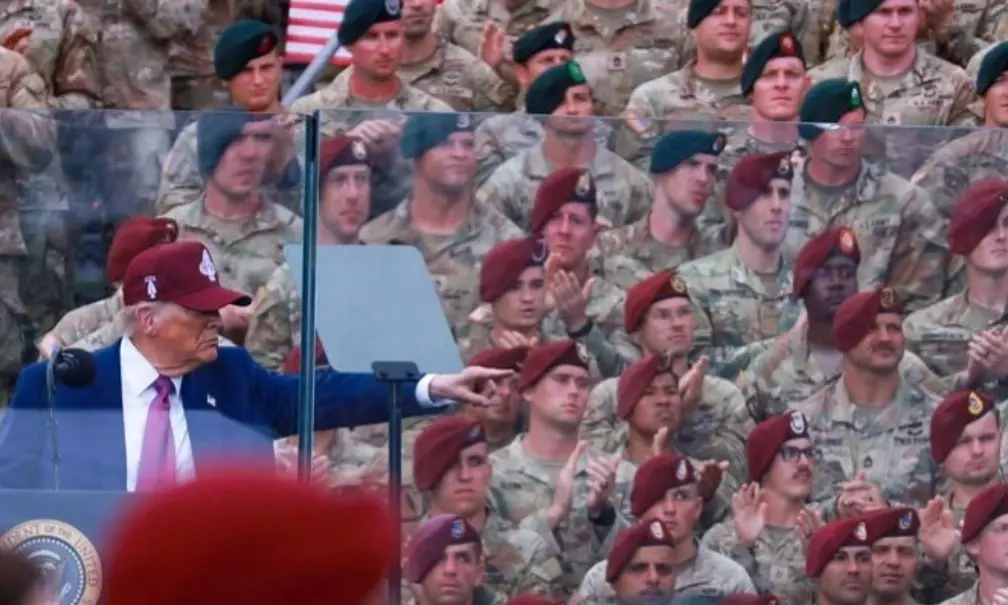
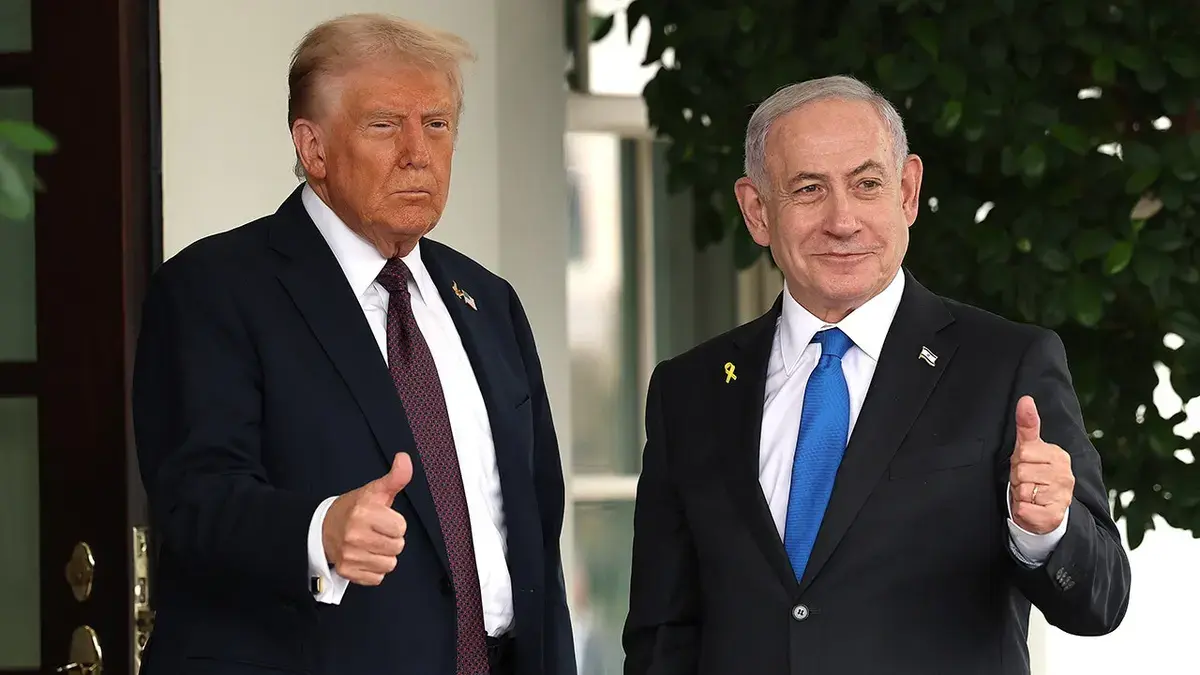
The facts are not contested. Balogun was sent off in the United States' 2-0 win over Bosnia-Herzegovina in the round of 32. Under FIFA's tournament regulations, a red card triggers an automatic one-match suspension. Officials indicated the decision could not be appealed. Then President Donald Trump called Infantino to request a review, according to the Associated Press, citing a person familiar with the matter. Days later, FIFA announced that Balogun's suspension would be deferred under Article 27 of the disciplinary code, which allows a sanction to be suspended on probation for one year. Any similar offense would reactivate the ban.
Trump posted on Truth Social: "Thank you to FIFA for doing what was right, and reversing a great injustice!" The sequence, presidential call, FIFA reversal, presidential praise, invites a conclusion that the decision was not made in isolation from political pressure.
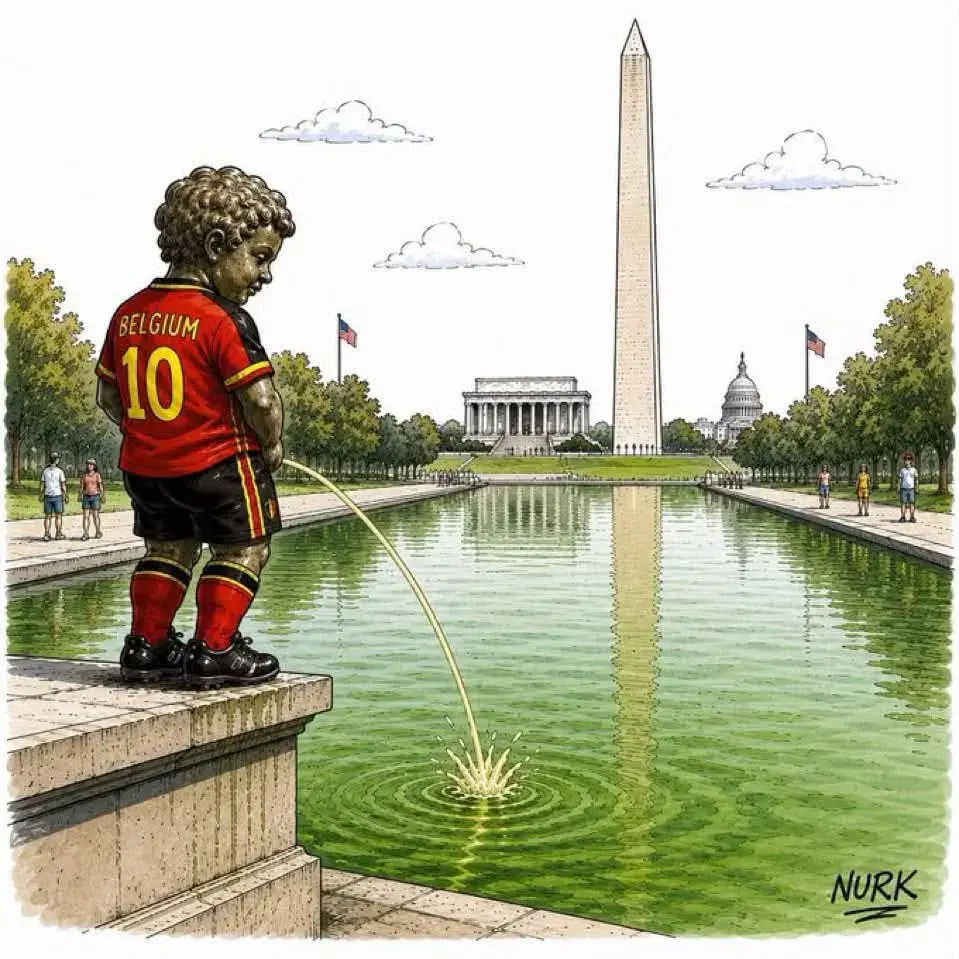
Belgium's football federation responded with a statement describing itself as "astonished." The Royal Belgian Football Association said the disciplinary code "clearly provides that a red card (sending-off) automatically results in a suspension for the team's next match, as has been the case for all previous red cards issued during this FIFA World Cup." The RBFA accused FIFA of acting "in direct contradiction with the provisions of the FIFA World Cup 2026 Competition Regulations." The federation confirmed it is "investigating all potential options" to challenge the decision.
Rudi Garcia, Belgium's coach, sharpened the criticism with sarcasm. Speaking through a translator, he said: "I didn't know that in the offices of FIFA the fifth of July was the first of April in Europe." Garcia argued that his federation was defending "football in general, she defends her integrity, her ethics."
FIFA's defenders can point to precedent. In November, the federation deferred the final two games of a three-match ban for Cristiano Ronaldo, allowing the Portuguese forward to play at the tournament's start after a red card in a qualifier. In April, Nicolás Otamendi and Moisés Caicedo had one-game bans deferred for red cards in qualifiers, making them available for their teams' opening matches. These cases demonstrate that FIFA's disciplinary code permits flexibility, particularly for high-profile players whose absence would diminish the tournament's commercial appeal.
The distinction here is not the deferral itself but the process. Article 27 does grant FIFA authority to suspend a sanction on probation. The code allows discretion. But discretion exercised after a presidential phone call is not discretion. It is capitulation.
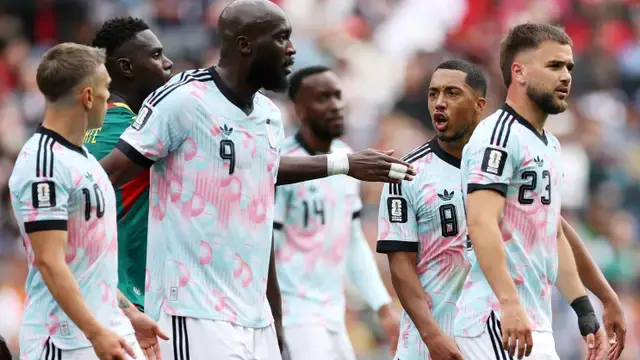
Blatter is a compromised messenger. His tenure as FIFA president, from 1998 until his resignation in 2015 amid a corruption investigation, was defined by scandal. Critics will note that a man who presided over years of alleged backroom deals and opacity is hardly positioned to lecture on governance. That objection is valid. His warnings about political interference must be weighed against his own record. Yet the substance of his argument stands independent of its source. If even a former president with such a history believes the current leadership has crossed a threshold, the charge demands scrutiny.
Blatter's concern is not isolated. In January, he warned fans to "stay away from the USA" for the World Cup, citing concerns about the political climate under Trump. Mark Pieth, brought in by Blatter to help reform FIFA during a period of intense scrutiny, echoed those warnings, pointing to deaths linked to immigration enforcement and what he described as an increasingly authoritarian environment. Both men have argued that the conditions surrounding the tournament matter as much as the matches themselves.
The consequence of FIFA's decision extends beyond Balogun's availability. Every team, every official, every fan must now consider whether the rules are fixed or flexible depending on who makes a phone call. Belgium's statement that it is investigating "all potential options" signals that the issue will not disappear with the next kickoff. For teams facing similar disciplinary actions in future matches, the precedent is established: the door is open to political lobbying at the highest level.
The broader risk is erosion of credibility, not from one decision but from a pattern in which FIFA appears susceptible to external influence. The World Cup, with its billions in global viewership and commercial stakes, has always attracted political attention. But when a head of state can alter the disciplinary process for a star player, the line between sport and politics is not blurred. It is erased.
Some will argue that expecting FIFA to be immune from political influence is naive. The World Cup's history is filled with examples of political leaders using football as a stage for national pride. Yet there is a difference between political symbolism and direct intervention in the outcome of matches. The former is inevitable. The latter, as Blatter warns, is corrosive.
FIFA's disciplinary processes have never been perfectly transparent. The code allows for probationary suspensions, but the criteria for triggering such discretion are not always clear. In this case, the lack of public explanation for why Balogun's red card merited reversal, when officials had previously said the decision could not be appealed, only fuels suspicion. The federation has not disclosed what evidence, if any, justified the deferral under Article 27. The silence invites the conclusion that no such evidence exists.
The cost will be measured in trust. For Belgian players, coaches, and fans, the sense of injustice is immediate. For other nations, the message is that influence, not just performance, can determine who plays and who sits. For FIFA, the challenge is to restore confidence that the rules are applied evenly, regardless of who occupies the White House or who picks up the telephone.
The Royal Belgian Football Association said it was "astonished" and is "investigating all potential options." That is the last word, for now, and the beginning of what may become a test case for the independence of football's global institutions. Blatter's question, "Quo vadis, FIFA?" is not rhetorical. It is a demand for accountability in how the world's biggest sporting decisions are made.
Comentarii
Fii primul care comentează.