In Turda's City Hall, seven lives are woven into the town's memory
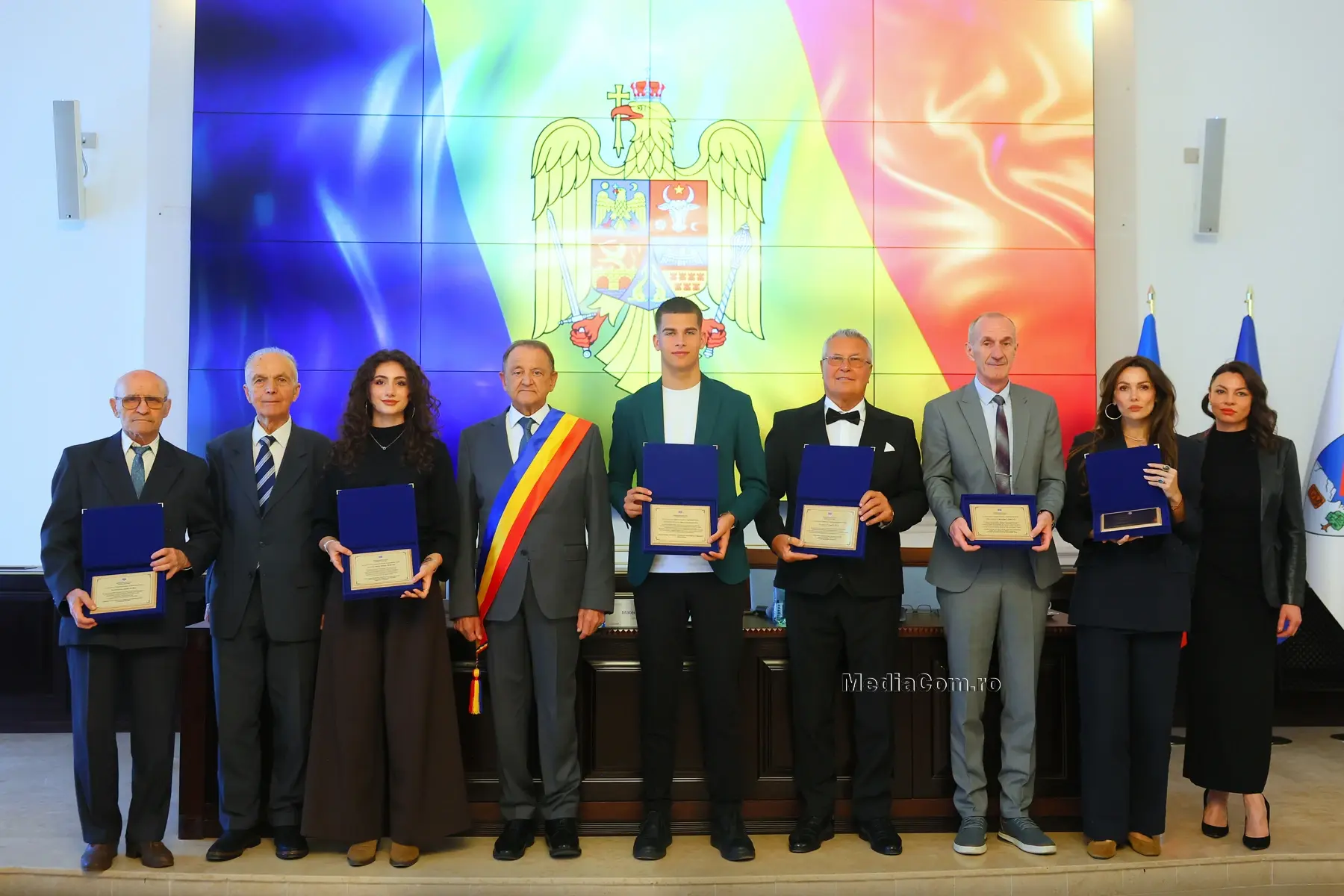
In a ceremony held today, Turda municipality honored seven individuals with the title of Honorary Citizen. This recognition highlights their significant contributions to education, sports, and the community.
Credit: mediacom.ro
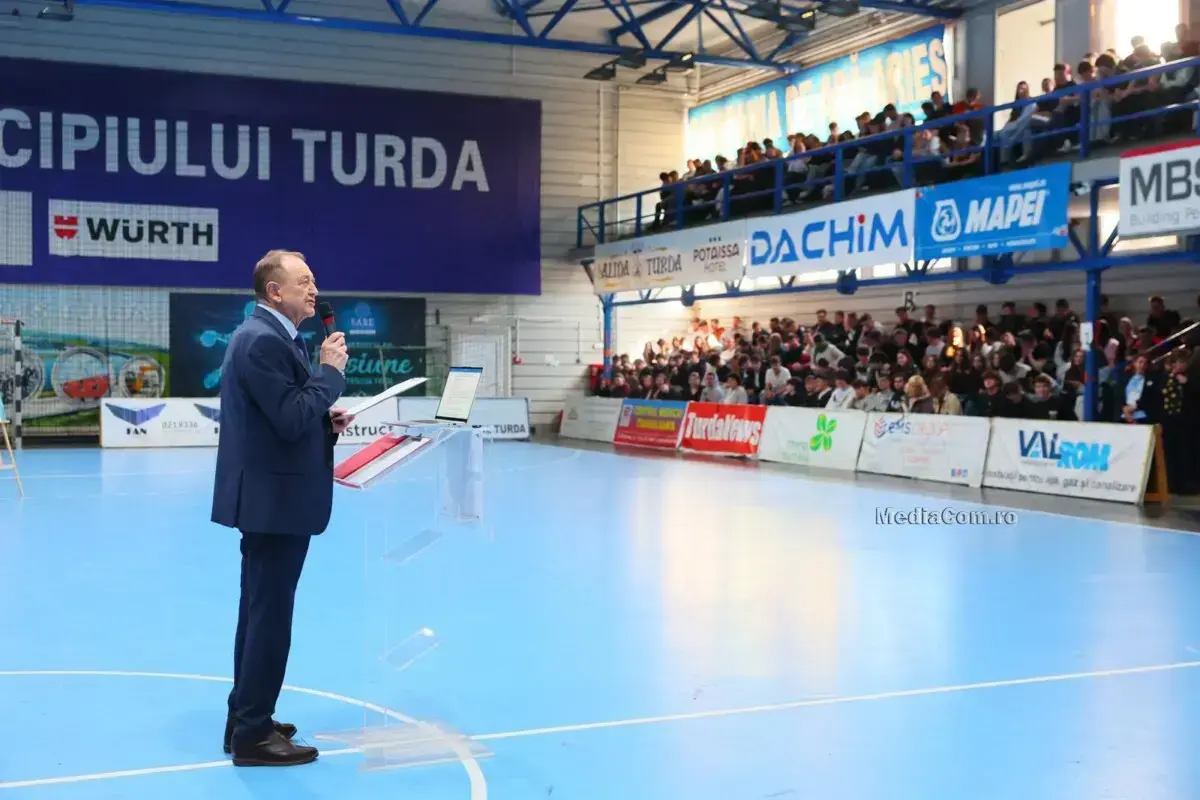
The ceremony unfolded beneath the vaulted ceilings of Turda's City Hall, where light falls through tall windows and settles on wooden benches worn smooth by generations of municipal business, and where today seven individuals—professors who have spent decades in classrooms, athletes who have carried the town's name beyond its borders, and one man whose absence made his presence all the more felt—received the title of Honorary Citizen. It is a designation that carries weight in Romanian towns, not because it confers power or privilege, but because it inscribes a life into the collective memory of a place, a formal acknowledgment that what these people have done matters, that their work has shaped the contours of daily life in ways both visible and invisible. Ioan Bembea and Gheorghe Lobonț, both professors, stood among the honorees, their careers spanning the kind of patient, unglamorous labor that defines education in regional centers like Turda—years of lesson plans and examinations, of students who return years later to say that something a teacher said once changed the direction of their thinking.
Ioan Bembea, known for teaching methods that departed from rote memorization, spoke briefly after receiving the honor, his voice carrying the particular gratitude of someone being recognized in the town where he has lived and worked. Gheorghe Lobonț, whose contributions to Turda's academic community have been steady and substantial, reflected on the quiet satisfaction of seeing former students build lives and careers, the way a teacher's influence radiates outward in ways that are difficult to measure but impossible to deny. "It is an honor to be recognized by the community where I have spent my life teaching," he said, and the simplicity of the statement contained within it the accumulated weight of decades.
Cornel Vana, another recipient, has long been a figure in Turda's educational infrastructure, the kind of person whose efforts ensure that schools function, that academic standards are maintained, that the machinery of learning continues to turn even when resources are scarce and attention is elsewhere. Suba Laszlo's name was called, and his recognition highlighted years of community service, the kind of sustained commitment that holds towns together in ways that are easy to overlook until someone stops doing the work. Maria Simina Morar, honored for her achievements in athletics, represents a different kind of contribution—the visibility that comes from competition, from carrying a town's name into arenas where performance is measured in seconds and distances, where excellence is public and undeniable.
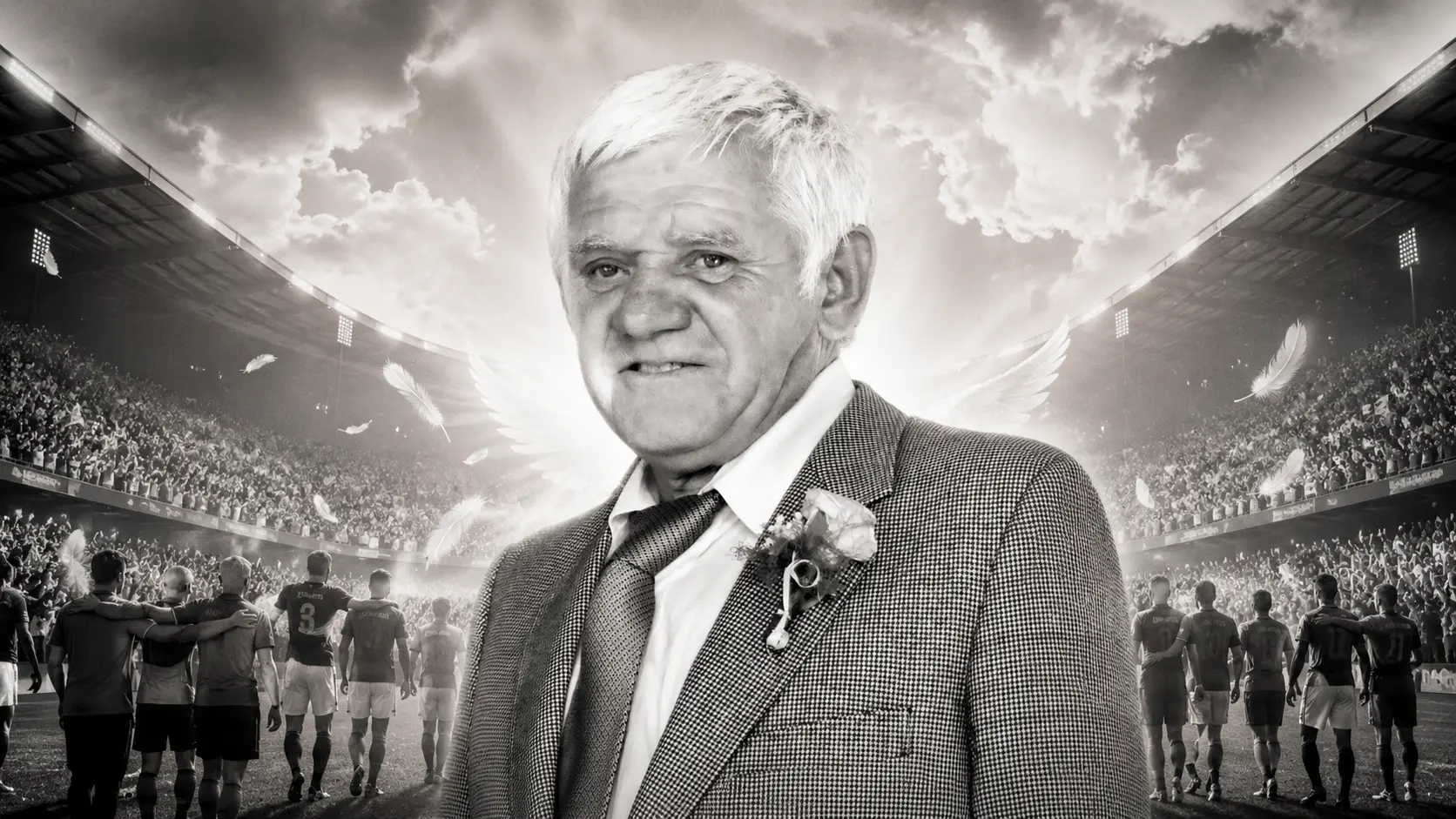
Her recognition serves as a reminder to young athletes in Turda that the path from local training grounds to broader stages is possible, that ambition and discipline can take root here as readily as anywhere. Darius Babaioana, a young sportsperson, stood as evidence of that possibility, his presence among the honorees a signal that Turda's athletic tradition continues, that new generations are emerging with the same hunger for achievement. The ceremony's most poignant moment came with the posthumous recognition of Călin Valentin Felezeu, a university professor who held a doctoral title, whose contributions to academia were profound enough that his absence did not diminish the need to honor him.
Those in attendance shared memories, and in doing so made him present again, if only briefly, a reminder that the impact of educators extends beyond their lifetimes, that ideas and methods and ways of thinking persist long after the person who introduced them is gone. The tradition of awarding the title of Honorary Citizen exists in Romanian municipalities as a way of making visible what is often invisible—the accumulated labor of individuals whose work shapes the character of a place without fanfare or headlines. In Turda, a town known historically as Potaissa during Roman times, a center of cultural and educational development in Transylvania for centuries, this practice does more than honor individuals; it reinforces the bonds that hold a community together, reminds residents of shared values and aspirations, creates a public record of what the town considers worthy of recognition.
The ceremony was not merely formal acknowledgment but celebration, a moment when the usual rhythms of municipal life pause to take stock of the people who have shaped Turda's cultural and educational field. Elena Popescu, a teacher from Turda, watched the proceedings with visible pride. "It's wonderful to see our community leaders and educators being recognized," she said, her words echoing a sentiment expressed by many in attendance.
"These awards highlight the hard work and dedication of individuals who often go unnoticed." The observation is accurate—much of what teachers and community servants do unfolds in classrooms and offices, in small interactions and incremental progress, work that does not generate attention but accumulates over time into something substantial. This year's ceremony emphasized education, sports, and cultural enrichment, the pillars that Turda's community has chosen to elevate, and the honorees now join a distinguished list of individuals who have helped shape the town's profile both regionally and nationally.
As the event concluded, a sense of unity and pride moved through the room, young students and aspiring athletes leaving with the stories of the honorees fresh in their minds, the kind of inspiration that comes not from abstract ideals but from concrete examples of lives lived with purpose and commitment. Mihai Ionescu, a local historian, observed the crowd and noted, "Today was not just about honoring individuals; it was about celebrating the spirit of Turda itself. These honorees embody the best of what our town has to offer."
The statement captures something necessary about ceremonies like this one—they function as mirrors, reflecting back to a community its own values, its own understanding of what constitutes a life well lived. The legacy of these Honorary Citizens will persist in Turda as the town continues to grow and evolve, a guiding presence for future generations, a reminder that commitment and community service shape the texture of daily life in ways that matter, that the work of teaching and competing and serving leaves marks that endure long after the work itself is done.
Comentarii
Fii primul care comentează.