Romania's medical crisis: A call for systemic reform
A resident doctor was found dead in Floreasca Hospital after a shift. Initial reports suggest a self-injected overdose. Surveys reveal widespread abuse and fear among medical trainees. Many young doctors face job insecurity and harsh working conditions. Calls for reforms to prevent further tragedies and retain skilled professionals.


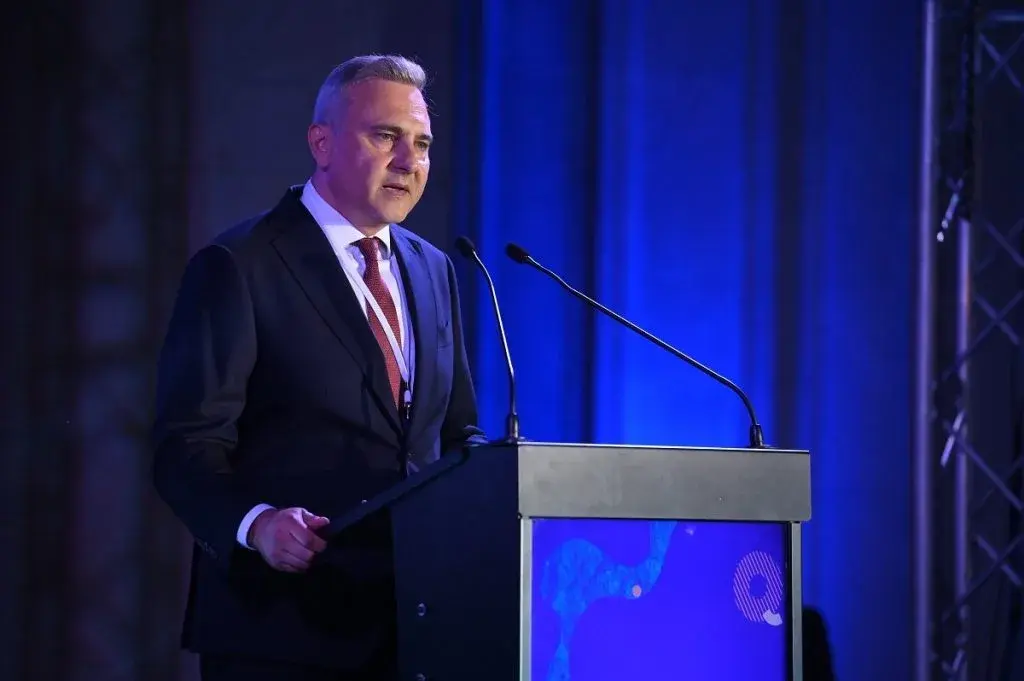
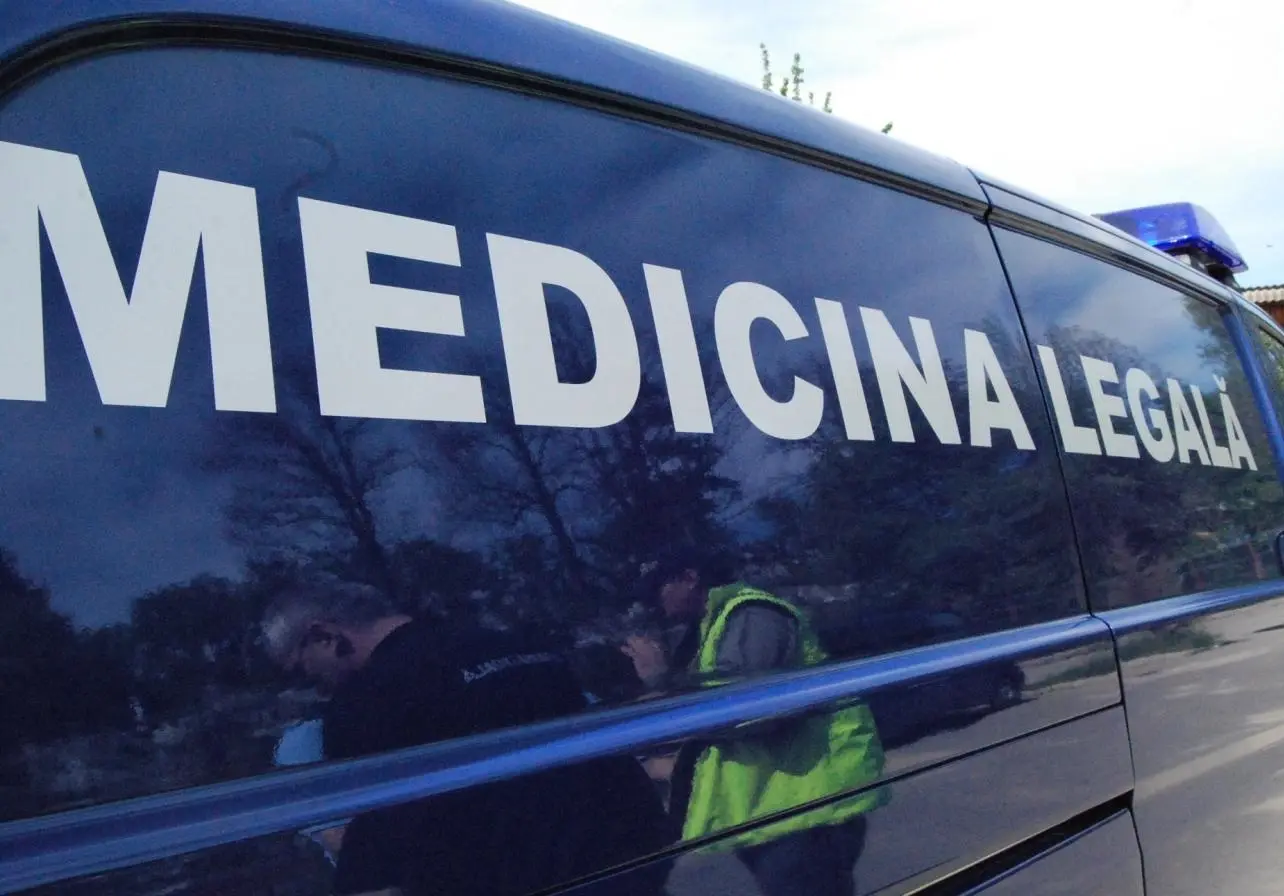
The recent tragic death of a resident doctor at Floreasca Hospital has once again highlighted the dire state of Romania's medical system. Dr. Ciprian Maxim, a prominent figure in the medical community, took to Facebook to lament the systemic failures that continue to plague young doctors. The doctor, found lifeless in a hospital toilet after a grueling morning shift, reportedly died from a self-injected overdose. His untimely demise has left behind a grieving wife and two young children, and colleagues remember him as a dedicated and well-regarded professional with no apparent personal issues.
This incident is not isolated. There have been numerous cases of doctors succumbing to the pressures of the job, either during or immediately after their shifts. The environment in which these residents operate is fraught with tension and stress, often for extended periods. Data from a recent survey by AbuzInSanatate.ro, which involved 574 medical trainees, paints a grim picture: nearly 72% claimed to have experienced abuse from their coordinators, over 50% reported repeated public humiliation, and 64% admitted to going to work in fear. Reporting such abuses often results in retaliation, including poor evaluations and professional isolation.
The working conditions contribute to a cycle of exhaustion, exacerbated by long hours, staff shortages, and the constant fear of making mistakes. Many residents have learned to endure in silence, a phenomenon psychologists describe as learned helplessness. Despite the hopes of a better future post-residency, the reality is starkly different. Permanent positions are scarce, with many being pre-assigned, leaving only a small fraction of residents securing stable posts.

The rest are left with poorly paid temporary shifts or occasional collaborations, while some face long periods of joblessness. Institutions continue to train a large number of doctors, yet the public healthcare system lacks the capacity to absorb them. This results in highly trained professionals driving Uber at night or working as assistants in unrelated fields. Others choose to leave the country altogether in search of better opportunities.
Provincial hospitals, which could provide some relief, are often avoided by young doctors due to poor working conditions and a lack of professional protection. Competitions for positions in these hospitals are frequently seen as mere formalities, with posts often arranged locally. The lack of service housing and reliance on the goodwill of local managers or mayors further deter young doctors from accepting these roles.
The death of the Floreasca resident should serve as a wake-up call. The accumulated pressures of abuse, chronic fatigue, and job uncertainty are driving young doctors to extreme actions. Without systemic reforms, including shorter shifts, transparent hiring practices, and improved conditions in provincial hospitals, Romania risks losing its well-trained medical professionals. Ultimately, it is the patients who will suffer the consequences. The tragedies will cease only when the system acknowledges the value of its doctors and provides them with the support and opportunities they deserve. The next generation of public health workers deserves more than mere survival; they deserve a future where their skills and dedication are truly recognized.
Comentarii
Fii primul care comentează.