World Cup Controversies Cast Shadow Over Tournament
The World Cup faces scrutiny as allegations against FIFA, claims of discrimination, and logistical issues emerge, casting a shadow over the tournament.

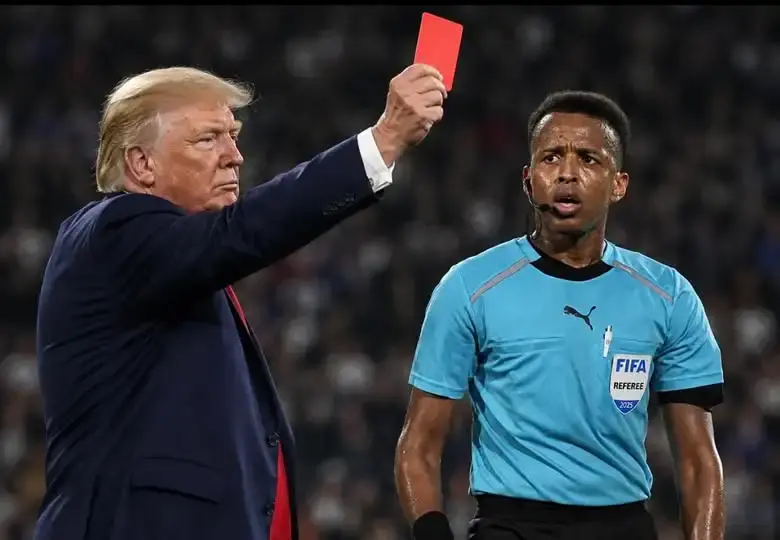
As the World Cup approaches, a series of controversies have emerged, casting a shadow over what should be a global football celebration. At the center of the storm is FIFA President Gianni Infantino, who faces allegations of corruption and obstructing any potential cancellation of the tournament in the United States. These accusations have only added to the already tense atmosphere surrounding the event.
The situation intensified when Omar Artan, a respected referee from Africa, was detained and deported upon his arrival at the airport, despite holding a valid working visa. This incident has led to accusations of discrimination based on his Somali origin, with critics labeling the action as a glaring example of racism. The controversy has sparked discussions about the treatment of African officials and athletes.
Further complicating matters, the Senegal national team experienced an embarrassing ordeal upon their arrival. The team was subjected to strip searches on the runway, treated like criminals, and held for hours while their baggage was emptied and even their shoes and socks removed. This treatment has raised international concerns about discriminatory practices against African teams, prompting calls for fairer treatment of all participants.
Aymen Hussein, a striker for Iraq, also faced significant disruption when detained by immigration enforcement for seven hours. During this time, his phone was confiscated, and he was placed in a cell, reportedly pressured to make political statements. This incident interrupted his preparations, although he eventually rejoined his squad.
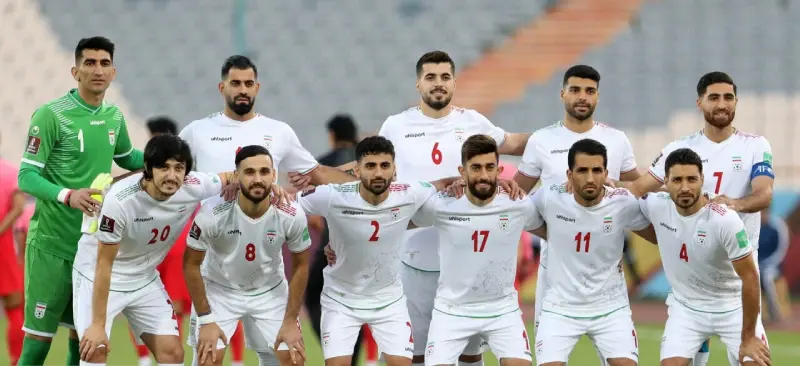
The situation has highlighted the challenges faced by players from certain nations. The Iranian national team encountered logistical hurdles, forced to base themselves in Mexico due to restrictions preventing them from staying overnight in the U. S. This situation worsened when their official ticket allocation was canceled at the last minute, leaving Iranian supporters who had made travel plans unable to attend the games.
These challenges underscore the complexities of organizing a tournament across multiple countries. Uzbekistan's team, managed by Fabio Cannavaro, faced an unexpected search by sniffer dogs after disembarking their bus. Cannavaro questioned the necessity of such measures, only to be informed by unnamed officials that "these are the rules."
Notably, the Netherlands team reportedly did not face similar scrutiny, raising questions about the consistency of security measures. Fans from various countries have also encountered issues, with visas and ESTAs canceled allegedly due to social media posts critical of former President Donald Trump. This situation has led to widespread frustration among supporters who had planned to attend the matches, further complicating the fan experience.
Adding to the chaos, a recent mass shooting near England's training camp has heightened fears of gun violence near tournament venues. The incident has raised concerns about security and the safety of players and fans alike. Meanwhile, exorbitant pricing for tickets, accommodation, and transportation has drawn criticism, as have walking bans near stadiums that force fans to use costly shuttle services.
In stark contrast, Mexico has welcomed teams with traditional fanfare, highlighting the differences in the World Cup experience between the two host nations. The warm reception in Mexico has been a bright spot amidst the controversies, showcasing the country's hospitality. As the tournament begins, these controversies and logistical challenges threaten to overshadow the spirit of the game.
The focus now shifts to how these issues will be addressed and whether the tournament can proceed without further incidents.
Comentarii
Fii primul care comentează.