Waste piles in Turda prompt urgent calls for action
For two months, waste has accumulated on Petru Maior Street in Turda, Romania, as Supercom fails to collect. Residents are alarmed by health risks and demand government intervention.
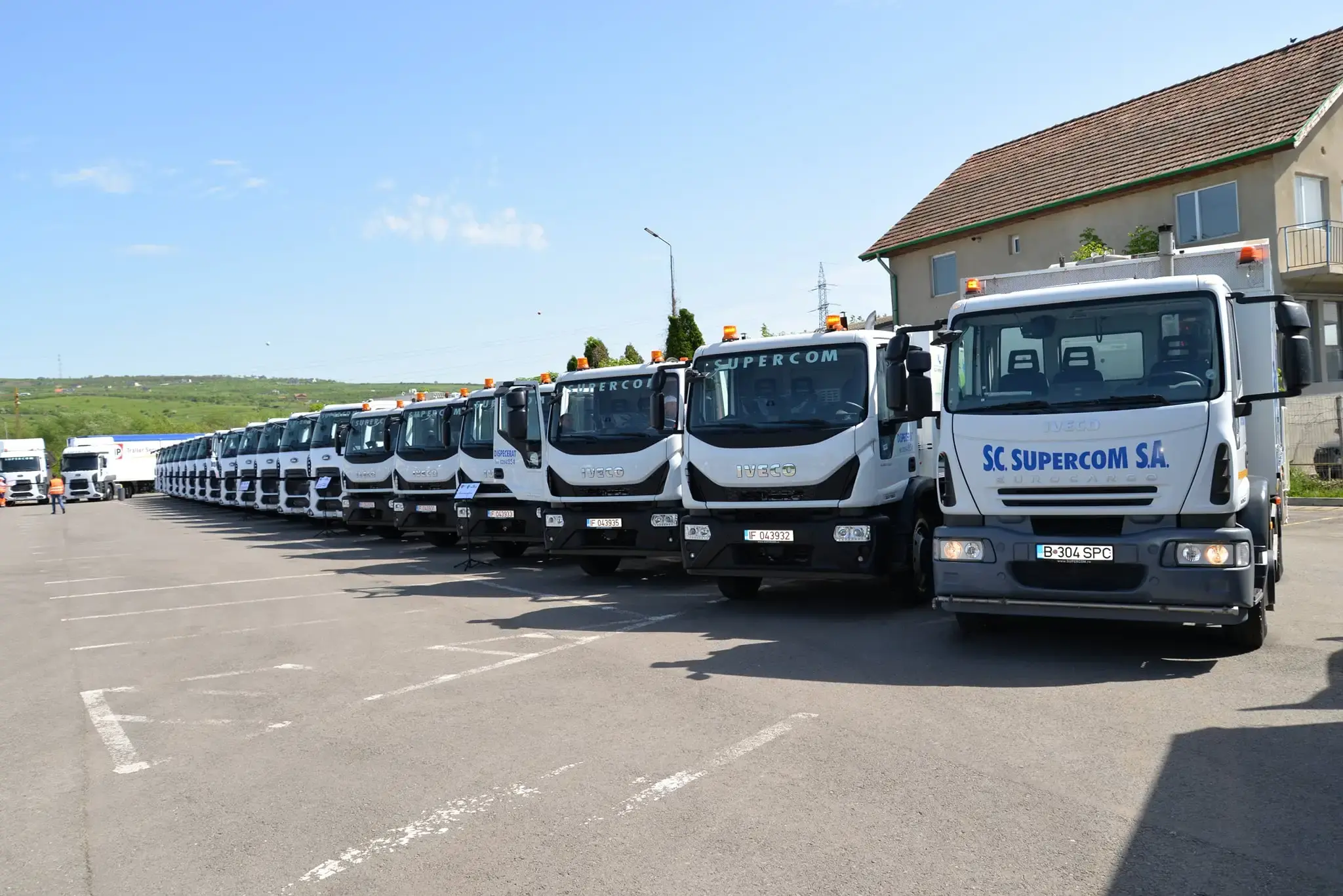
On Petru Maior Street in Turda, Romania, residents face a mounting crisis. For two consecutive months, Supercom—the contracted waste management company—has failed to collect vegetal waste. Scheduled pickups on the 28th of April and May never happened.
Now grass clippings and branches rot along the curb, filling the air with a stench residents describe as unbearable. The decomposing piles have turned daily life into an ordeal. Residents report difficulty breathing.
Some worry openly about what comes next: infections, disease, a public health emergency brewing in plain sight. What began as missed appointments has become a test of how long a community can endure neglect. Supercom handles waste management across multiple Romanian cities, and this is not the company's first stumble.
Complaints about missed collections and broken promises have surfaced before, each one raising the same uncomfortable questions about accountability. In Turda, those questions have grown louder. Who is watching?
Who is responsible when a contractor simply stops showing up? Residents have appealed to local government officials, asking for immediate intervention before the situation worsens. So far, silence.
Local authorities have issued no public response, leaving those on Petru Maior Street to wonder whether anyone in power is paying attention. The lack of communication suggests something deeper than a scheduling mishap—it points to a breakdown in the system meant to hold service providers accountable. Without effective oversight, without dialogue between waste management operators and the officials who contract them, residents are left in limbo.
The waste keeps piling up. The odors intensify. The risk of disease grows with each passing day.
And trust—already fragile—continues to erode. This is not just about garbage. The incident on Petru Maior Street exposes systemic weaknesses in how waste management services are monitored and enforced.
When a private company fails to meet the terms of a public service contract, what happens? When local government does not respond, who steps in? These are not abstract policy questions.

They are urgent realities for people who cannot open their windows, who worry about their children playing outside, who feel abandoned by the institutions meant to protect them. The situation in Turda reflects a familiar pattern: services promised, services unprovided, accountability deferred. Residents expected routine waste collection.
They received excuses, then nothing at all. They expected local authorities to intervene. Instead, they got silence.
Now they are left with a problem that should have been resolved weeks ago, watching it grow worse while waiting for someone in a position of authority to act. Supercom's failure is clear. The company did not fulfill its obligations.
But the responsibility does not end there. Local authorities tasked with supervising contracted services have also failed. Their inaction allows the problem to fester, both literally and figuratively.
The longer the waste sits, the greater the health risks. The longer officials remain silent, the deeper the frustration. Residents of Petru Maior Street did not ask for much.
They asked for the service they were promised, the service their taxes help fund. When that service disappeared, they asked for answers. They asked for intervention.
They asked for someone to care. As the waste continues to accumulate and the days turn into weeks, those requests remain unanswered. The need for action grows more urgent.
Health risks escalate. Community frustration mounts. Yet the street remains lined with rotting vegetation, a visible reminder of what happens when systems fail and no one is held accountable.
Residents continue to wait, hoping that someone in authority will finally respond before a bad situation becomes a public health disaster.
Source: turdanews.net
Comentarii
Fii primul care comentează.