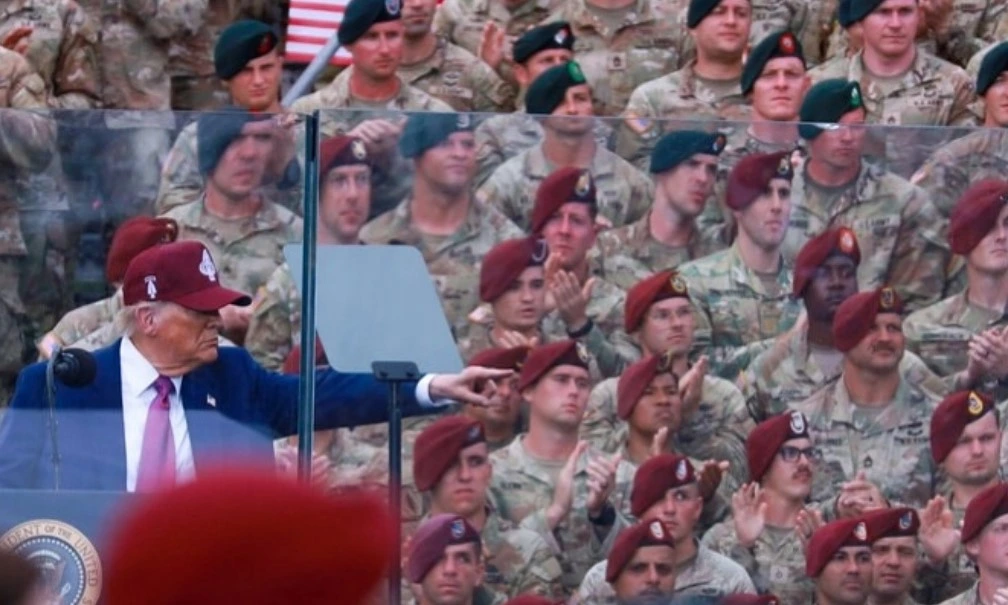
The Situation Room has been compromised
The revelation of detailed accounts of classified discussions from the White House's Situation Room, as reported in a forthcoming book by Maggie Haberman and Jonathan Swan, has led to widespread concern about security breaches. The book, "Regime Change," presents vivid descriptions of high-level meetings, sparking suspicions that conversations may have been secretly recorded. This breach highlights a critical vulnerability in one of the most secure government facilities and prompts questions about who can be trusted with sensitive information.

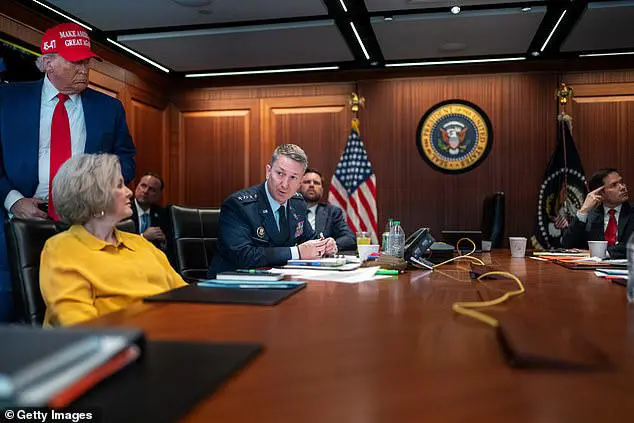
The White House suspects that classified discussions inside the Situation Room were secretly recorded. If true, the breach would mark a catastrophic failure of security inside a facility built to prevent exactly this.
Axios reports that senior officials believe conversations involving Iran and the Jeffrey Epstein files may have been captured without authorization. The evidence: extraordinarily detailed accounts published in Regime Change, a forthcoming book by New York Times reporters Maggie Haberman and Jonathan Swan. "We're afraid some of our most sensitive conversations were being recorded," an administration source told Axios. "And we have no idea which ones."
Independent recording devices are forbidden in the Situation Room. The space exists for military and national security discussions that cannot be disclosed. Yet excerpts from the book describe internal meetings with a precision that interviews alone cannot explain. President Donald Trump is furious. His aides are scrambling.
One passage quotes Secretary of State Marco Rubio dismissing Israeli Prime Minister Benjamin Netanyahu's regime-change proposals for Iran. "In other words, it's bulls***," Rubio said, according to the Times. The remark was never intended for publication. That it now appears in print suggests either a recording or a participant willing to reconstruct dialogue verbatim.
Haberman and Swan conducted over 1,000 interviews for the book. That figure does not resolve the central question: how did private remarks, delivered inside a secure facility, reach the authors in such detail? The administration has not contested the quoted exchanges. Silence here functions as confirmation.
The book also examines the administration's handling of the Epstein files. Situation Room meetings addressed public anger over the Department of Justice and FBI's failure to produce Epstein's alleged client list. Vice President JD Vance proposed releasing all available files immediately. Another idea surfaced: arrange for conservative commentator Tucker Carlson to interview Ghislaine Maxwell in prison, framing the conversation to exonerate Trump from any Epstein association.
Trump preferred the controversy buried. Staff learned to manage the crisis without raising the subject directly with him. According to the authors, the president reacted with irritation whenever Epstein's name appeared. This aversion left senior officials navigating the fallout independently.

Inside the Justice Department, divisions deepened. The book quotes then-Deputy FBI Director Dan Bongino expressing alarm over the situation. The passage adds another layer to the internal discord, though the White House has not disputed its accuracy.
The possibility of unauthorized recordings forces a reckoning. Who had access? Which meetings were compromised? The administration has no answers. The Situation Room's sanctity as a secure environment now stands in question. Protocols designed to prevent leaks have failed, or been circumvented.
This is not the first time detailed accounts of private White House discussions have emerged. But the Situation Room occupies a different category. The facility was built to resist exactly this kind of breach. If recordings exist, someone bypassed multiple layers of security. If they do not, then a participant reconstructed classified conversations with unusual fidelity, and chose to share them with reporters.
Either scenario represents a failure. The administration must now determine which failure occurred, and how to prevent recurrence. Trust within the West Wing has eroded. Officials who once spoke freely in the Situation Room will now weigh every word against the possibility of disclosure.
The broader implication is institutional. If the Situation Room can be compromised, no government space is secure. Technology evolves faster than security protocols. The methods available to those willing to breach confidentiality now outpace the defenses designed to stop them.
The administration's response will define its credibility on national security. Swift action is required. Restoring confidence demands transparency about what happened, accountability for those responsible, and concrete measures to prevent future breaches. The American public expects the government to protect its most sensitive discussions. That expectation has been violated.
Regime Change will be published regardless of the administration's objections. The damage is done. What remains is the question of consequence. Will those responsible face accountability? Will security protocols be overhauled? Or will this episode join the long list of Washington scandals that provoke outrage, then fade?
The administration's credibility depends on the answer. The Situation Room was designed to be impenetrable. It has been penetrated. The walls of confidentiality have been breached, and the nation is watching how its leaders respond.
Comentarii
Fii primul care comentează.