Iran offers support to Japanese ships
Iran offers support to Japanese ships traversing the Strait of Hormuz, a important oil route, amid restricted access to enemies. This move could impact international maritime politics.
Elena Vasilescu
4 zile în urmă
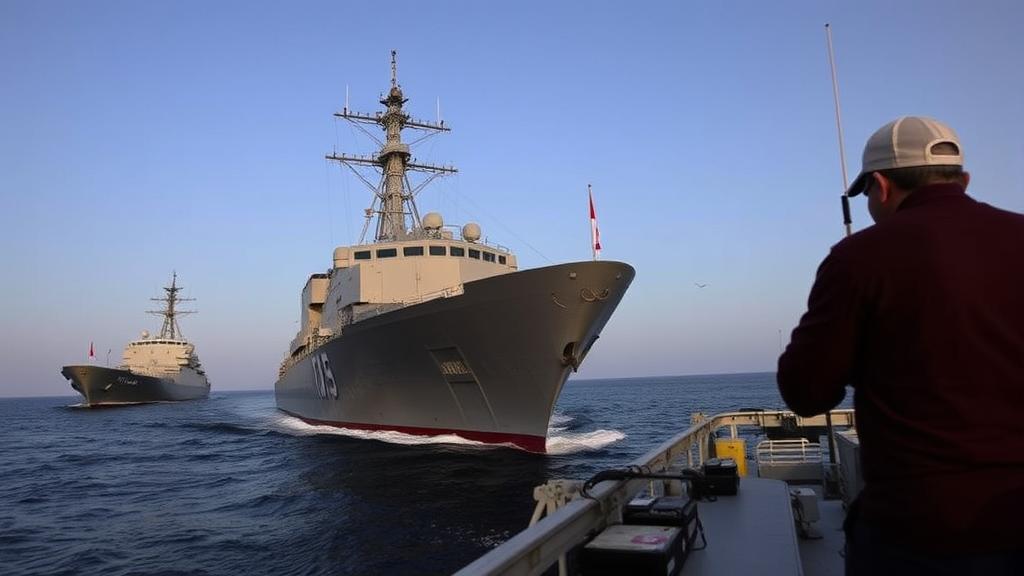
On Saturday, March 21, 2026, Iran stepped forward, offering to back Japanese ships managing the strategic Strait of Hormuz. This move comes amid simmering tensions in the region. The strait is a important maritime artery, channeling a hefty share of the Middle East's oil.
Iran's offer shines a light on the geopolitical weight of the Strait of Hormuz. As a important oil transit chokepoint, it witnesses a massive flow of global oil trade. Japan, heavily dependent on oil from the Middle East, could find Iran's gesture beneficial.
However, Iran has firmly stated that the strait remains off-limits to its foes. This condition highlights the tangled diplomatic web in the region. Iran's stance might shift the dynamics of international maritime navigation.
Nestled between the Persian Gulf and the Gulf of Oman, the Strait of Hormuz acts as a lifeline for global energy markets. Roughly 20% of the world's petroleum squeezes through this narrow passage. The strait's strategic importance is immense.
Japan's energy security is tightly bound to the stability of this maritime route. Any hitch in the oil flow through the Strait of Hormuz could spell trouble for Japan's economy. Iran's support might thus act as a stabilizing force.
Iran's offer isn't without political ripples. It sends a message to regional players and global powers alike. By reaching out to Japan, Iran could be aiming to strengthen ties with one of Asia's economic giants.
Iran's policy of barring its enemies from the strait reflects a broader regional strategy. This approach seeks to exert control over one of the world's most strategically significant waterways. The consequences of this policy are widespread.
The international community will likely keep a close watch on Iran's move. Any shift in power balance in the Strait of Hormuz could have major repercussions. The strait's security and accessibility are top concerns for oil-importing nations globally.
Japan's response to Iran's offer is still up in the air. The potential perks of smoother passage through the strait must be balanced against the broader geopolitical backdrop. Japan's diplomatic ties with other key regional players will undoubtedly influence its decision.
The Strait of Hormuz has long been a hotspot for regional tensions. The United States, in particular, has consistently emphasized the importance of free navigation in the area. Any alteration in the status quo might lead nations with stakes in the strait to reassess their security measures.
Iran's offer could be seen as a strategic play to counter Western influence in the region. By aiding Japanese ships, Iran might be trying to forge new alliances and assert its sway over this critical maritime route.
As the situation unfolds, stakeholders will be keenly observing the fallout from Iran's announcement. The potential effects on global oil markets and the geopolitical field will be key areas of interest. The Strait of Hormuz remains a focal point in international maritime politics.
Comentarii
Fii primul care comentează.