Economist warns of rising fuel prices in Romania
Economist Adrian Negrescu warns that fuel prices in Romania might increase to 12-13 lei per liter due to Middle East conflict and energy sector blockages. This could impact the national economy significantly.
Daniel Dobos
circa 2 luni în urmă
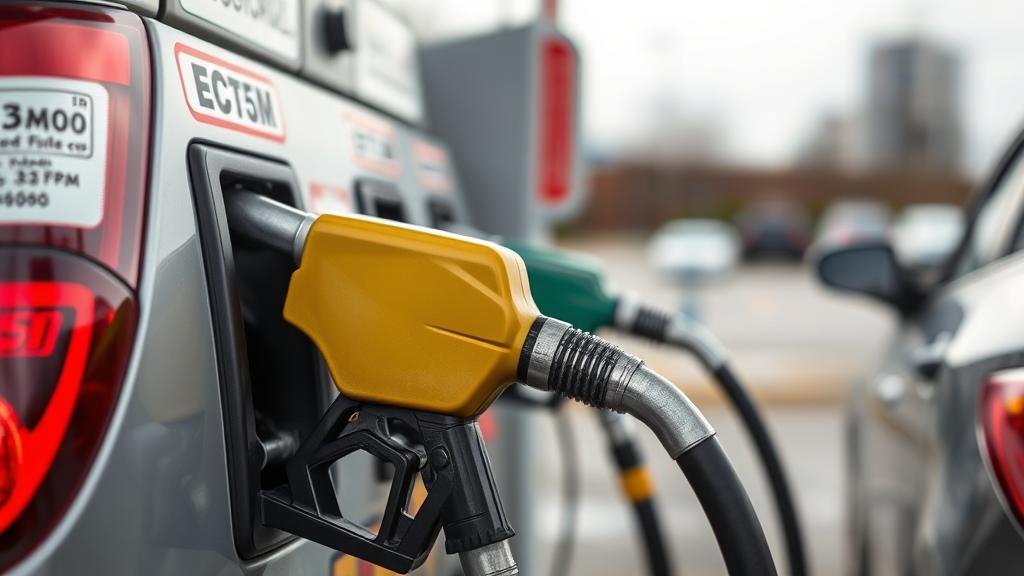
On this fine Saturday, March 21, 2026, as Romanians are perhaps planning their weekend getaways, economist Adrian Negrescu has issued a stark warning about the potential rise in fuel prices. According to Negrescu, the cost of fuel could soon reach between 12 and 13 lei per liter. This projection is not just an arbitrary number thrown into the economic ether but rather a calculated anticipation based on multiple geopolitical and sector-specific factors.
The looming escalation in fuel prices is primarily attributed to the ongoing conflict in the Middle East, a region historically known for its significant influence on global oil markets. The intricacies of international relations and the volatility of geopolitical tensions often translate directly into the price at the pump. As the conflict intensifies, supply chains are disrupted, leading to increased costs that inevitably trickle down to consumers.
However, the Middle East conflict isn't the sole culprit in this economic forecast. Negrescu also points to blockages within the energy sector as a contributing factor. These blockages can manifest as logistical challenges, regulatory hurdles, or even infrastructural inadequacies, all of which can impede the efficient distribution of energy resources. When energy companies face such obstacles, the costs of overcoming them are frequently passed on to consumers in the form of higher prices.
In the broader context, the anticipated rise in fuel prices could have far-reaching implications for the Romanian economy. Transportation costs are a fundamental component of nearly every economic activity, from the delivery of goods to the daily commute of workers. An increase in fuel prices can lead to a domino effect, raising the cost of living and potentially slowing economic growth. This is not just a matter of numbers on a spreadsheet; it's a tangible issue affecting everyday life.
As Romanians brace for potential changes at the gas stations, questions arise about the government's role in mitigating these impacts. Will there be subsidies or tax reliefs to cushion the blow for consumers? Or will the market forces be left to run their course? The answers to these questions will shape the economic field and the political climate in the months to come.
In the meantime, consumers may need to adapt by seeking out more fuel-efficient vehicles or exploring alternative modes of transportation. Businesses, particularly those in logistics and transportation sectors, might have to reassess their strategies to cope with the increased operational costs. It's a complex web of cause and effect, where every decision can ripple across the economic spectrum.
For now, the best course of action for both consumers and businesses might be to stay informed and prepared for potential fluctuations. As the situation develops, one can only hope for a resolution that stabilizes the markets and alleviates the financial burden on the populace. After all, in the grand scheme of things, stability and predictability are what keep the economic wheels turning smoothly.
Comentarii
Fii primul care comentează.